Sundance Square Plaza
Sundance Square Plaza sits at the center of downtown, surrounded by one-way streets and pedestrian zones. We use it as a routing landmark to approach buildings from the correct side and avoid event closures.
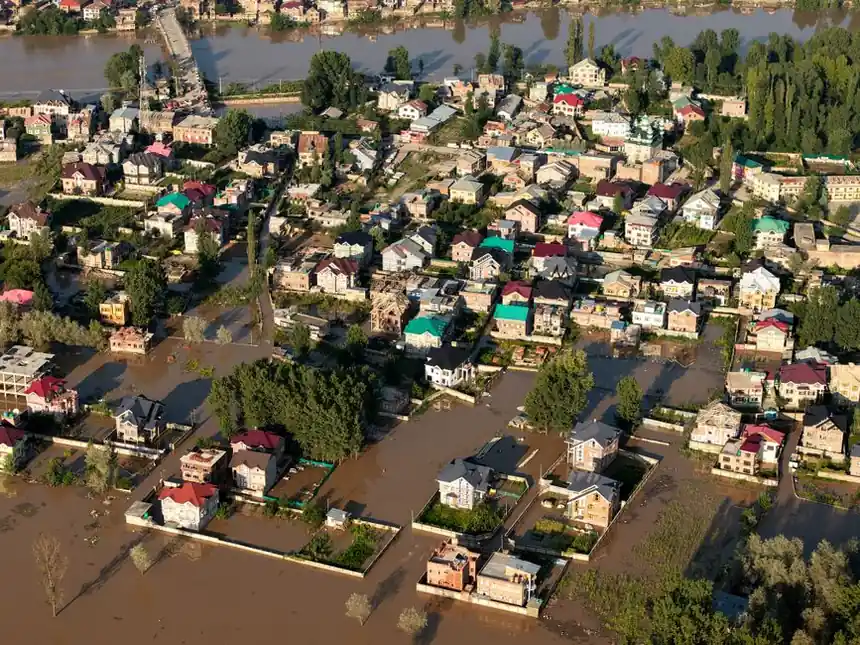
Water Damage Restoration in Downtown Fort Worth is a different job than it is in the suburbs. You are working around century-old cast iron drains under the Tarrant County Courthouse blocks, PEX repipes in converted warehouses, and high-rise mechanical rooms where one failed supply line can soak three floors below. We have run calls in this district since 2017, and we know which buildings on the 76102 grid still have original galvanized pipe and which ones were retrofitted after the last big freeze. Our technicians carry moisture meters, thermal imaging cameras, and boroscope cameras to find water hiding behind plaster and under tile before it becomes a mold claim. We handle Downtown Fort Worth Water Damage Restoration for homeowners, property managers, and restaurant owners who cannot afford to shut down for a week. Whether it is a burst pipe at 2 a.m. or a slow slab leak you only noticed from the water bill, we scope it, dry it, and put it back together.
We deliver the full range of water damage repair services in Downtown Fort Worth TX, from emergency extraction to final reconstruction. If you are searching for 24/7 Water Damage Restoration in Downtown Fort Worth near me at 3 a.m., we answer the phone and dispatch a crew. Every job starts with source identification and moisture mapping, then moves into drying, cleaning, and repairs.
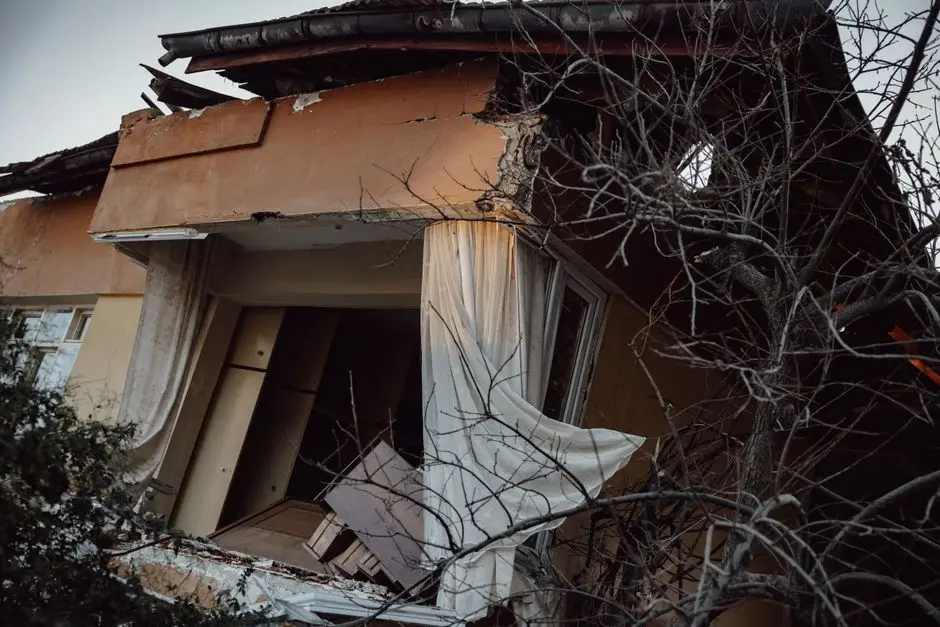
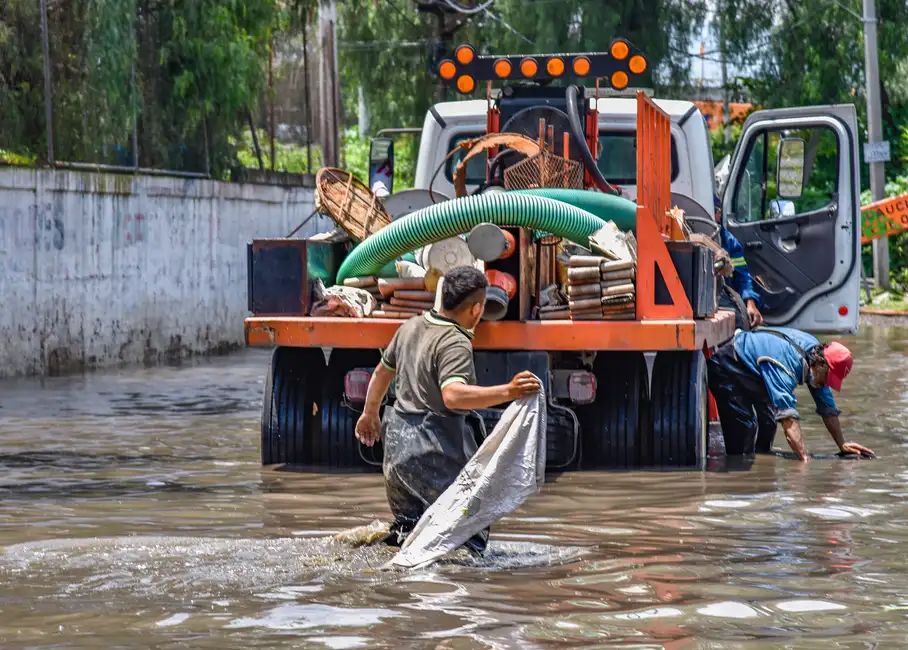

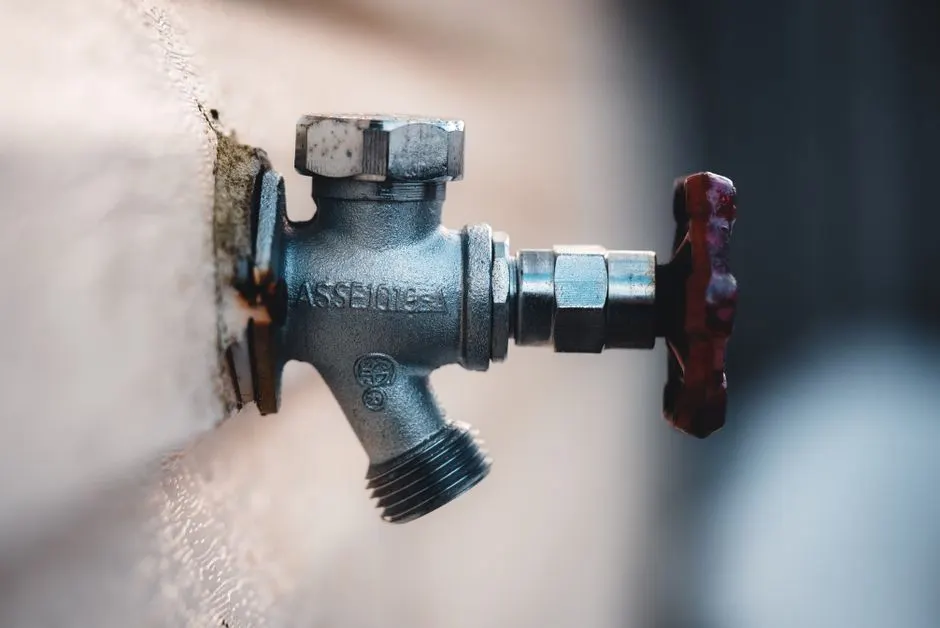
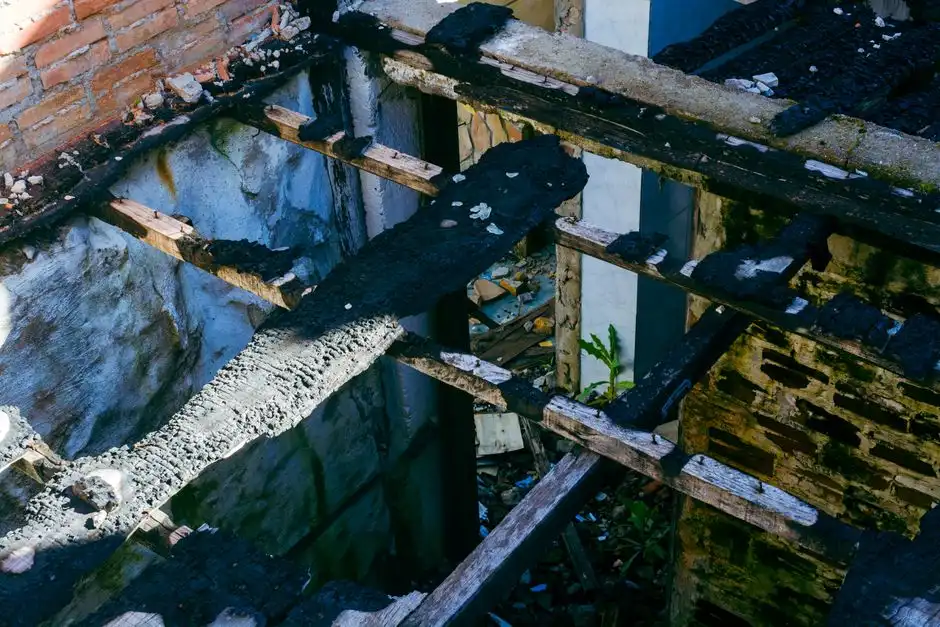

Downtown Fort Worth has its own set of water damage problems, driven by historic building stock, dense construction, and North Texas weather. Here are the issues we see most often and how we handle them.
North Texas freezes catch older buildings off guard. Pipes in unheated walls and attics freeze, then burst when they thaw. Downtown's historic buildings are especially vulnerable because insulation is often inadequate.
Downtown's soil shifts with wet and dry cycles, stressing pipes under slabs. Older copper lines corrode and fail. The leak runs silently until the floor warps or the water bill spikes.
Many downtown buildings still have original cast iron drain lines. They corrode, crack, and clog with roots and debris. When they back up, sewage enters the building.
Flat roofs are common downtown. They leak at seams, drains, and flashing, especially after heavy spring storms. Water enters ceilings and walls, often going unnoticed until damage is visible.
Water damage does not always announce itself with a flood. Sometimes it is a musty smell, a warped baseboard, or a water bill that jumped $80 with no explanation. If you notice any of these signs in your downtown home or business, call us for an inspection. The sooner you catch it, the less it costs to fix.
Musty odor that will not go away
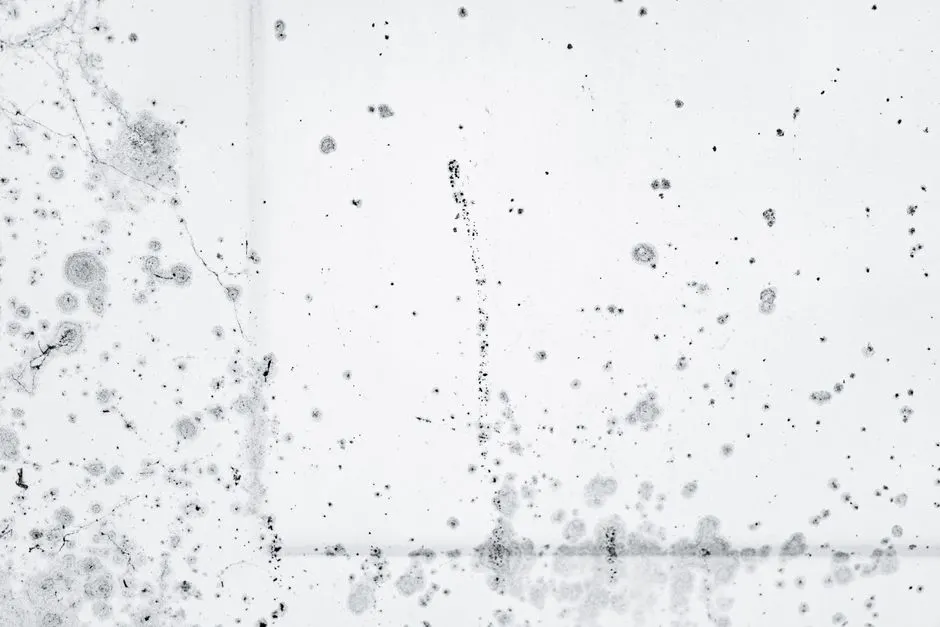
A persistent musty smell usually means mold is growing somewhere hidden. In downtown buildings, it often starts behind baseboards or inside wall cavities after a slow leak. Mold can spread fast, so this is a call-us-today sign, not a wait-and-see.
Warped or buckling floors
Wood floors cup and buckle when moisture gets underneath. In downtown lofts and older buildings, this often points to a slab leak or a slow supply line leak. The longer it sits, the more flooring you will have to replace.
Water bill jumped without explanation
A sudden spike in your water bill usually means a leak you cannot see. Slab leaks and hidden pipe failures are common in downtown's older buildings. We can find it with thermal imaging and moisture meters before it causes major damage.
Stains or bubbling paint on walls and ceilings
Brown stains or paint that bubbles means water is behind the surface. In high-rises, this often signals a leak from the unit above. We trace it to the source, dry the cavity, and repair the wall.
Sound of running water when everything is off
If you hear water running when no fixtures are on, you have a leak. It could be a burst pipe in a wall or a slab leak under the floor. Shut off the main and call us. We will find it and stop the damage.
Downtown Fort Worth is compact, but the one-way streets and event traffic can slow anyone down. We use landmarks like Sundance Square Plaza and the Tarrant County Courthouse as orientation points when routing crews. If you are near Bass Performance Hall or the Fort Worth Convention Center, we know which side streets get you closest to the loading dock or service entrance. During large events, we plan alternate routes to avoid the closures around Sundance Square Plaza and the Water Gardens.
Sundance Square Plaza sits at the center of downtown, surrounded by one-way streets and pedestrian zones. We use it as a routing landmark to approach buildings from the correct side and avoid event closures.
The Water Gardens anchor the south end of downtown near the convention center. Crews use it to orient when heading to addresses in the 76102 ZIP code south of Commerce Street.
Bass Performance Hall is at the corner of 4th and Calhoun, a high-traffic area during show nights. We plan arrivals around performance schedules to avoid blocked streets and loading zones.
The Convention Center draws large events that close surrounding streets. We check event calendars before dispatching to addresses near the center so we can route around closures.
Plus surrounding Dallas County neighborhoods, with same-day routing on most appointments.
Averaging 4.9 / 5 across verified reviews.
“Our water heater failed on a Sunday and flooded our loft near Sundance Square. I called and a crew was here in 40 minutes. They extracted the water, set up fans, and had everything dry in three days. They even helped me file the insurance claim. I cannot recommend them enough.”
Melissa R.
Sundance Square
“We had a slab leak in our restaurant in Near Southside. They found it fast with thermal imaging, worked with our plumber, and got the floor dried out without shutting us down for a week. Professional and straight with us the whole time.”
David K.
Near Southside
“A pipe burst in our building near the Cultural District and water came through our ceiling. The crew was here within the hour, set up drying equipment, and kept us informed. They repaired the drywall and painted so you cannot even tell it happened.”
Angela T.
Cultural District
Downtown Fort Worth sees water damage year-round, but the causes shift with the seasons. Spring brings storms and flash flooding. Summer brings HVAC condensate and supply line failures. Fall is a window for maintenance. Winter brings freezes and burst pipes. Here is what to expect and how to prepare.
Spring storms dump heavy rain on downtown, and Trinity River flash flooding can push water into low-lying streets and ground-floor units. Roof leaks and foundation seepage are common after sustained rain.
Tip: Check your roof drains and window seals before the next storm. If you see water pooling near your foundation, call us for an inspection.
Summer heat stresses HVAC systems, leading to condensate line failures and water damage in mechanical rooms. Supply lines to ice makers and water heaters also fail more often in high heat.
Tip: Inspect your HVAC condensate lines and replace any brittle supply hoses. A $10 hose can prevent thousands in water damage.
Fall is a break from extreme weather, but it is the best time to catch hidden moisture before winter. Slow leaks and slab leaks often show up now when the ground dries out and pipes shift.
Tip: Schedule a moisture inspection if you noticed any musty smells or high water bills over the summer. Fixing it now prevents a winter emergency.
Winter freezes are the biggest water damage threat in downtown Fort Worth. Pipes in unheated walls and attics freeze and burst, flooding units and common areas. We see a spike in calls during every hard freeze.
Tip: Let faucets drip during freezes, open cabinet doors to warm pipes, and know where your main shut-off valve is. If a pipe bursts, shut off the water and call us immediately.
Downtown Fort Worth is our base for a wider service area that includes several surrounding neighborhoods and suburbs. If you are just outside the downtown core, we likely cover your address too. Here are the nearby areas we serve regularly.
(City)
Fairmount is just south of downtown, a short drive down Hemphill Street. We handle many of the same older-home water damage issues there.
View Fairmount(City)
Ryan Place is a historic neighborhood minutes from downtown. Its older homes have plumbing that fails like downtown's historic buildings, and we know the area well.
View Ryan Place(City)
Arlington Heights is northwest of downtown, about 10 minutes out. We serve its mix of older homes and commercial properties with the same crew and equipment.
View Arlington Heights(City)
Tanglewood is west of downtown, a quick trip down Camp Bowie Boulevard. We handle water damage calls there for homeowners and small businesses.
View Tanglewood(City)
Wedgwood is southwest of downtown, about 15 minutes away. We cover its residential neighborhoods for burst pipes, slab leaks, and storm damage.
View Wedgwood(City)
The University Area is south of downtown near TCU. We serve student housing, rentals, and commercial properties in that corridor.
View University AreaReal answers from our team for the questions we hear most often before a job starts.
Water does not wait, and neither do we. If you have a leak, a burst pipe, or standing water in your Downtown Fort Worth home or business, call us now. We answer 24/7, dispatch fast, and handle everything from extraction to repairs. One call and we are on the way.
Call (469) 895-3421 any time, day or night. A live person answers, not a machine. We dispatch crews 24/7 across Dallas and the surrounding metro, and we average under 60 minutes to arrive. If you prefer email, reach us at info@dallashomemoldwaterfiredamage.com and we will respond the same day.
Phone
(469) 895-3421Address
3924 Sandshell Dr #5800, Fort Worth, TX 76137, Dallas, Texas
Hours
Mon–Fri: 7AM – 7PM
Sat: 8AM – 4PM
Sun: Emergency Only
24/7 Emergency Available