Dallas Home Mold Water Fire Damage
Get Estimate

Mold Remediation Dallas TX that gets your air clean again

Licensed crews, HEPA filtration, and honest pricing across Dallas County


Mold Remediation Dallas TX means finding the moisture source, killing the colony, and removing what it has already ruined. We handle mold removal in Dallas TX for homeowners and landlords dealing with burst pipes, slab leaks, roof leaks, and storm flooding. If you can smell that damp, musty odor, the colony is already spreading behind the drywall. Call (469) 895-3421 and we will be there.

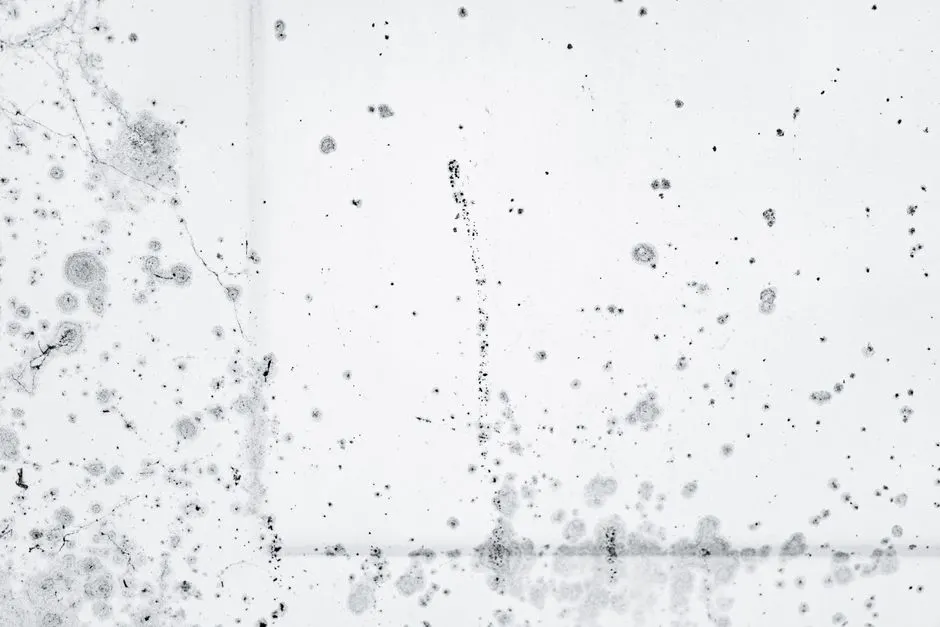
Intricate pattern of black mold spores on a white background, showcasing decay and organic growth.
Licensed Licensed & Bonded
Fully Insured Insured & Bonded
24/7 Emergency Same-Day Response
Warranty Backed 9+ Years Trusted in Dallas

What Our Mold Remediation Service Includes

Every job gets the same core scope: inspection, containment, removal, drying, and clearance testing. What changes is how much material has to come out and whether the water source repair is part of the job. Here is what you get on a standard residential call.

Moisture mapping and lab testing

We map the affected area with a moisture meter and thermal imaging camera, then send air and surface samples to a third-party lab. You get the report before we cut anything, so you know exactly what you are dealing with.

Containment and HEPA filtration

Poly sheeting, zipper doors, and negative air pressure keep spores out of clean rooms. A Dri-Eaz HEPA air scrubber runs for the duration of the job. Setup is included in every scope, no upsell.

Removal and antimicrobial treatment

Contaminated drywall, insulation, and plywood come out and get bagged. We HEPA vacuum exposed framing and apply antimicrobial spray to every surface. Materials that cannot be cleaned get removed, not coated.

Structural drying

Dehumidifiers and air movers run until moisture meter readings hit a dry standard. We check daily and log the numbers. Pulling equipment early is how mold comes back, so we do not do it.

Rebuild and clearance test

We replace drywall, tape, texture, and caulk so the room is paint-ready. Then an independent hygienist runs post-remediation air samples. You get the clearance report in writing for your records and your insurer.

What Mold Remediation Dallas TX Actually Involves


Mold Remediation Dallas TX is the process of containing an active mold colony, removing contaminated materials, and drying the structure so it cannot return. It is not wiping a wall with bleach. We set up negative air pressure, run HEPA vacuum and air scrubbing equipment, and cut out the drywall, insulation, and plywood that mold has colonized. A moisture meter and thermal imaging camera tell us where the water is hiding. A boroscope camera lets us look inside wall cavities without tearing the whole room apart.

Dallas homes get mold for one reason: water stayed where it should not have. A slab leak under a pier-and-beam floor, a roof leak after a spring hailstorm, or an appliance leak behind the washer all feed a colony that can spread within 48 to 72 hours. We have been doing this work since 2017, and the calls we get most in 75230 and 75231 are the ones nobody saw coming. If you need mold cleanup Dallas homeowners can trust, the fix starts with the water, not the stain.
How Our Mold Remediation Process Works

Five steps, start to finish. Most Dallas jobs take two to five days depending on how much material has to come out and how wet the framing still is.

01

Schedule

Call or book online — a real human picks up and confirms a 2-hour arrival window.

02

Diagnose

Licensed tech inspects on-site, then walks you through the cause and your options.

03

Fix

The job is completed to code and done right the first time — no shortcuts, no surprises.

04

Guarantee

Every job backed by a written workmanship warranty — and we stand behind it.

Tools and Methods We Use on Every Job

Tools & Equipment

Moisture meter

Pin and pinless readings tell us exactly how wet the drywall, framing, and subfloor are. We log readings daily and do not pull drying equipment until they hit a dry standard.

Thermal imaging camera

Shows temperature differences that reveal hidden moisture behind walls and under floors. This is how we find colonies that have not yet shown on the surface.

Boroscope camera

A small camera on a flexible probe that lets us look inside wall cavities and under cabinets without cutting a large access hole. We confirm growth before we open anything up.

Dri-Eaz HEPA air scrubber

Runs continuously inside containment to filter spores out of the air. Combined with negative pressure, it keeps the rest of the house clean while we work.

Dehumidifier and air mover

Pulls moisture out of framing and flooring after demo. We size the equipment to the cubic footage of the affected area, not a one-size-fits-all package.

HEPA vacuum

Used on every exposed surface after removal. Standard shop vacs blow spores back into the air. HEPA filtration traps them.

Ozone generator

Clears residual musty odor after remediation is complete. We run it in unoccupied spaces only, then ventilate before anyone returns.

Methods & Standards

IICRC S520 remediation standard

The industry standard for mold remediation. It defines containment levels, removal procedures, and clearance criteria. Our IICRC AMRT certified techs follow it on every job, which is also what your insurance adjuster expects to see referenced in the scope.

Negative air pressure containment

We seal the work zone with 6-mil poly and zipper doors, then pull air out through a HEPA scrubber. This keeps the work zone under negative pressure so spores travel into the filter, not into your living room.

Antimicrobial spray and encapsulant

After removal, exposed framing gets treated with antimicrobial spray. Where framing cannot be removed, we apply an encapsulant that seals the surface. This is not a substitute for removal, it is a final step after the colony is gone.

Third-party clearance testing

An independent hygienist takes air samples after we finish. If spore counts are not back to normal outdoor levels, we keep working at no extra charge. You get the report in writing for your insurer and your records.

When Dallas Homeowners Call Us for Mold Work

01

A roof leak after a spring hailstorm soaked attic insulation for two weeks before anyone noticed.

What we do: We tarp the roof, extract standing water, and remove the wet insulation and ceiling drywall. Containment goes up before demo so spores do not drop into living space. We dry the attic framing and treat it with antimicrobial spray.

→ Attic dried to standard in four days, ceiling rebuilt, and the clearance test came back clean. The homeowner filed one claim instead of three.

02

A washing machine supply line failed overnight and flooded a laundry room and hallway in a 75231 home.

What we do: We pulled the appliance, extracted the water, and opened the wall cavity to dry. Mold had already started on the bottom plate. We removed the affected drywall, HEPA vacuumed the framing, and ran dehumidifiers for three days.

→ The room was paint-ready in five days. Total cost stayed under $3,000 because we caught it in the first week.

03

A landlord in 75287 had a tenant report a musty smell in a back bedroom two months after a slab leak repair.

What we do: Thermal imaging showed moisture still wicking up through the slab. We contained the room, removed the baseboards and lower drywall, treated the slab edge with antimicrobial, and dried the cavity. The tenant stayed in the rest of the house.

→ Clearance test passed on day four. The landlord had documentation for the tenant file and the insurance claim.

How Mold Remediation Runs in Dallas

Dallas sits on a mix of clay soil and limestone, and that drives a lot of the water problems we see. Clay expands and contracts with the seasons, which stresses pipes under slab foundations and causes slab leaks. When those leaks go unnoticed, water wicks up through flooring and into baseboards, and mold starts within 48 to 72 hours. Spring and fall humidity in Dallas County also slows structural drying, so we run dehumidifiers longer here than crews would in a drier climate. Older pier-and-beam homes in 75230 and 75231 have crawl spaces that hold moisture, and we often find colonies on floor joists that never showed on the interior. Newer slab builds in 75287 and 75098 tend to grow mold behind baseboards and inside wall cavities after appliance leaks. We follow TDLR rules for Texas Mold Remediation License work and pull permits when structural repair is part of the scope. If you need mold remediation after water damage Dallas TX, we handle the leak repair, the remediation, and the rebuild in one job.

Neighborhoods We Serve

  • 75230

    Older pier-and-beam homes with crawl spaces that trap moisture. We check floor joists and subfloor from below on almost every job here.

  • 75287

    Mostly slab-on-grade builds from the 1980s and 90s. Appliance leaks and slab leaks are the two most common sources we see.

  • 75231

    Mix of older homes and condos. Shared walls in condos mean containment has to be tighter to keep spores out of neighboring units.

  • 75236

    More acreage and older housing stock. Roof leaks after hail are a frequent call, especially in attic insulation.

Local Conditions We Plan For

  • Clay soil movement stressing under-slab pipes

    Slab leaks are common and often run for weeks before anyone notices. By the time a stain shows, mold is usually already growing under the baseboards.

  • Spring and fall humidity above 70 percent

    Structural drying takes longer than in drier climates. We run dehumidifiers an extra day or two and check moisture meter readings daily before pulling equipment.

  • Hailstorms driving water through roof decks

    Attic insulation soaks and holds moisture against the ceiling drywall. We see colonies on ceiling joists within a week of a major storm.

Slab leak mold in a 75230 home

Before

A slow slab leak ran for about six weeks before the homeowner noticed a dark stain along the baseboard in a hallway. Thermal imaging showed moisture 18 inches up the wall and mold growth on the bottom plate and lower drywall.

After

We repaired the slab leak, removed 24 linear feet of drywall and baseboard, HEPA vacuumed the framing, and treated it with antimicrobial spray. Drying took four days. The clearance test passed on day five and the hallway was rebuilt and painted.

Maintenance: Check under sinks and around the water heater monthly for slow drips. If you see a stain on the baseboard, call before it spreads. Slab leaks rarely fix themselves.

Before

A supply line failed overnight during a January freeze and dumped water into the laundry room wall. The homeowner dried the floor with towels and a fan, but the wall cavity stayed wet. Mold showed up on the drywall paper within a week.

After

We opened the wall, removed the affected drywall and insulation, and dried the framing over three days. Antimicrobial spray went on the studs and bottom plate. New drywall, tape, and texture were done by day six. Total cost came in under $2,800.

Maintenance: Replace rubber washing machine supply lines with braided stainless every five years. During a freeze, let a faucet drip overnight and open cabinet doors under sinks.

Before

A hailstorm punched through the roof deck and water soaked the attic insulation for two weeks before the homeowner noticed a musty smell in a bedroom. Ceiling drywall was soft and mold had spread across 40 square feet of ceiling joists.

After

We tarped the roof, removed the wet insulation and ceiling drywall, HEPA vacuumed the joists, and treated them with antimicrobial spray. Drying took five days because of attic humidity. The clearance test passed and the ceiling was rebuilt and painted.

Maintenance: After any hail event, get the roof inspected within 30 days. Attic leaks often go unnoticed until the ceiling stains, and by then the colony is already established.

Mold Problems We Solve Across Dallas County

Most calls start the same way: a smell, a stain, or an insurance adjuster who wants documentation. Here is what we actually fix.

Problem

Musty odor with no visible mold

The colony is usually inside a wall cavity or under flooring, and by the time it shows on the surface, the spread is three to five times larger than it looks.

Our Fix

We use a boroscope camera and thermal imaging to find growth behind drywall without tearing the room apart. Once we locate it, containment goes up and the affected section comes out. You get photos of what we found before anything is removed.

Problem

Mold after a slab leak or burst pipe

Water sits under flooring and inside wall cavities for weeks. Mold starts in 48 to 72 hours. If the leak repair and the remediation are handled by different contractors, the colony often regrows in the gap.

Our Fix

We repair the pipe, extract the water, and remediate in one scope. No waiting on a plumber while the structure stays wet. This is the single biggest reason our Dallas jobs do not come back.

Problem

Insurance claim stalled on documentation

Adjusters deny or delay mold claims when the moisture source is not clearly documented. Without photos, readings, and a proper scope, you eat the cost.

Our Fix

We document the source with moisture meter logs, thermal images, and an Xactimate-formatted scope. We have worked claims alongside Belfor, Servpro, and ServiceMaster Restore, so we know what adjusters need to see on day one.

Problem

Mold in a rental property with tenants in place

Tenants cannot always move out, and a stalled remediation turns into a habitability complaint. Landlords need the job done fast and documented.

Our Fix

We build containment that lets tenants stay in the rest of the home for smaller jobs. For larger scopes, we phase the work room by room. Every step is photographed so you have a record for the tenant and the insurer.

Why Dallas Homeowners Call Us First

Why Dallas Homeowners Call Us First

Mold does not stop at the surface you can see. These are the outcomes our customers actually care about when they book mold remediation services Dallas TX.

  • We stop the source

    Killing mold without fixing the leak is a waste of money. We trace the moisture with a moisture meter and thermal imaging camera, then repair the burst pipe, slab leak, or roof leak feeding it. Skip that step and the colony returns in weeks, not months.

  • Containment that holds

    We build 6-mil poly containment with zipper doors and run negative air pressure so spores do not migrate into your kitchen or your kids' bedrooms. A Dri-Eaz HEPA air scrubber cycles the room air continuously. That is how you keep a 200-square-foot problem from becoming a whole-house problem.

  • Insurance paperwork handled

    We document every affected material with photos, moisture readings, and an Xactimate-formatted scope your adjuster can read. Most Dallas Texas mold remediation claims move faster when the paperwork is clean on day one. We have worked claims with Belfor, Servpro, and ServiceMaster Restore on the same properties.

  • Clear pricing, no surprises

    You get a written scope with the price before we start cutting. Affordable mold removal in Dallas Texas does not mean cheap work, it means you know what you are paying for. Typical residential jobs run $1,200 to $6,500 depending on how far the colony spread.

Licensed, Certified, and Reviewed

Licensed & Certified

  • IICRC WRT (Water Restoration Technician) — issued by Institute of Inspection, Cleaning and Restoration Certification
  • IICRC ASD (Applied Structural Drying) — issued by Institute of Inspection, Cleaning and Restoration Certification
  • IICRC AMRT (Applied Microbial Remediation Technician) — issued by Institute of Inspection, Cleaning and Restoration Certification
  • Texas Mold Remediation License — issued by Texas Department of Licensing and Regulation (TDLR)
  • EPA Lead-Safe Certified Firm — issued by U.S. Environmental Protection Agency

Verified Reviews

Google ★★★★★4.9

Called on a Tuesday about a musty smell in the hallway. They were out Wednesday morning with a thermal camera and found a slab leak feeding mold under the baseboards. Fixed the leak, remediated the wall, and had the clearance report back in five days. Straight answers the whole way.

Yelp ★★★★★4.8

We had a burst pipe in January and mold showed up two weeks later in the laundry room. These guys handled the pipe repair, the mold removal, and the drywall rebuild. One crew, one invoice. The daily moisture readings gave me confidence they were not pulling equipment early.

BBB ★★★★★4.9

Landlord here. Tenant reported black mold in a back bedroom after a roof leak. They contained the room, kept the tenant in the rest of the house, and documented everything for my insurance claim. Clearance test passed on day four. I have used them on two other properties since.

Google ★★★★★5.0

Honest pricing and no upsell. They tested first, showed me the lab report, and gave me a written scope before cutting anything. Turned out to be a smaller job than I expected. Most companies would have padded it. Will call them again if anything comes up.

Nine Years of Dallas Mold Work

We have been remediating mold in Dallas County since 2017. Our technicians hold IICRC WRT, IICRC ASD, and IICRC AMRT certifications, and we carry the Texas Mold Remediation License required by the Texas Department of Licensing and Regulation (TDLR). Crews are OSHA 10 trained and EPA Lead-Safe certified for older homes. We have run jobs in pier-and-beam houses in 75230, slab-on-grade builds in 75287, and commercial spaces downtown. That range matters, because the moisture behaves differently in each one.

  • IICRC AMRT certified technicians on every mold job, not just the supervisor
  • Texas Mold Remediation License held under TDLR rules
  • EPA Lead-Safe certified for pre-1978 Dallas housing stock
  • OSHA 10 trained crews working containment and demolition daily
  • Xactimate-trained estimators who speak your adjuster's language
Get Started Today
Nine Years of Dallas Mold Work

What Dallas Customers Say

Real experiences from customers who chose our Mold Remediation services.

“Found mold behind the baseboards after a slab leak we did not catch for weeks. The crew traced the moisture with a thermal camera, showed me exactly where it was, and had containment up the same afternoon. Four days later the clearance test came back clean. They also fixed the slab leak, which two other companies told me was a separate job.”

M

Marcus T.

Homeowner, 75230

“I manage three rentals and had a tenant report a musty smell in the back bedroom. These guys tested, confirmed black mold, and handled the whole thing with the tenant still living there. They sealed the room, ran their scrubbers, and kept me updated with photos every day. Insurance covered most of it because their paperwork was clean.”

P

Priya R.

Landlord, 75287

“Burst pipe in January soaked the laundry room wall. They pulled the drywall, dried the framing, and treated everything with antimicrobial before rebuilding. What sold me was the daily moisture readings. They did not pull the equipment until the numbers were actually dry. Two months later, no smell, no return.”

D

Danny K.

Homeowner, 75231

Frequently Asked Questions About Mold Remediation in Dallas

Real answers to the questions we hear most often from local homeowners and property managers.

How much does mold remediation cost in Dallas TX?
Most Dallas homes run $1,200 to $6,500, with a typical single-room job landing around $2,400. Small contained areas under 10 square feet can come in near $800. Whole-house jobs after storm flooding or a long-running slab leak can exceed $12,000. The biggest cost drivers are how much drywall and insulation has to come out, whether the leak repair is included, and whether you need a third-party clearance test.
Is black mold removal covered by insurance in Dallas Texas?
Usually yes, if the mold traces back to a covered event like a burst pipe, appliance leak, or storm intrusion. Most Texas policies exclude mold that grew from long-term neglect or a leak you knew about and did not fix. We document the moisture source with photos and readings so your adjuster can see the cause. We work directly with Belfor, Servpro, and ServiceMaster Restore on claims in the Dallas area.
How long does mold remediation take in Dallas?
A contained bathroom or closet job takes two to three days. A bedroom with wall cavity growth runs three to five days. Whole-house jobs after storm flooding can take seven to ten days, mostly because of drying time. Dallas humidity in spring and fall slows drying, so we check moisture meter readings daily and do not pull equipment until the framing hits a dry standard.
Do I need to leave my home during mold removal in Dallas TX?
For a single contained room, most families stay home. We seal the work zone with poly and run negative air pressure, so spores do not reach the rest of the house. If the colony covers more than 100 square feet, if you have infants, elderly family members, or anyone with asthma or a compromised immune system, we recommend staying elsewhere for two to four days. We will tell you straight which category your job falls into.

Related Services We Handle in Dallas

Water Damage Restoration

Every mold colony starts as a water problem. We extract, dry, and restore the structure, then remediate any mold that already took hold. Handling both under one roof means no gap where the colony can regrow between contractors.

View Water Damage Restoration

Emergency Water Removal

Standing water feeds mold in 48 to 72 hours. Our extraction units pull water out of carpet, pad, and subfloor fast, then we set drying equipment the same visit. Getting the water out on day one is the cheapest mold prevention there is.

View Emergency Water Removal

Mold Testing & Inspection

Not every dark stain is mold, and not every mold problem is visible. We use moisture meters, thermal imaging, and boroscope cameras to find hidden growth, then send air and surface samples to a third-party lab for confirmation before any work begins.

View Mold Testing & Inspection

Fire & Smoke Damage Restoration

Firefighting water soaks into drywall and framing, and that moisture breeds mold within days. We dry the structure and remediate any growth before rebuilding. One crew handles the smoke odor, the water, and the mold.

View Fire & Smoke Damage Restoration

Sewage Cleanup

A sewage backup is Category 3 water, which means contaminated and a serious mold risk. We remove affected materials, disinfect with antimicrobial spray, and dry the structure. Leaving sewage-soaked drywall in place guarantees a colony within a week.

View Sewage Cleanup

Storm Damage Restoration

Dallas hailstorms and spring flooding drive water through roofs and windows. We tarp, extract, dry, and remediate. Storm claims move faster when one contractor documents the whole chain from water intrusion to clearance test.

View Storm Damage Restoration

Get Mold Remediation Dallas TX Started Today

Every day you wait, the colony spreads further into the drywall and the bill grows. Call (469) 895-3421 and we will schedule a same-day inspection, give you a written scope, and tell you straight whether you are looking at a $900 fix or a $6,000 one. Licensed, insured, and working Dallas County since 2017.

Call (469) 895-3421 Book Free Inspection

Get Help Now

Call (469) 895-3421 any time, day or night. A live person answers, not a machine. We dispatch crews 24/7 across Dallas and the surrounding metro, and we average under 60 minutes to arrive. If you prefer email, reach us at info@dallashomemoldwaterfiredamage.com and we will respond the same day.

Or call us right now at (469) 895-3421 — we answer.

Dallas Home Mold Water Fire Damage


  • Address

    3924 Sandshell Dr #5800, Fort Worth, TX 76137, Dallas, Texas

  • Hours

    Mon–Fri: 7AM – 7PM
    Sat: 8AM – 4PM
    Sun: Emergency Only
    24/7 Emergency Available

Call (469) 895-3421 Get Quote
Call Quote