Arlington Heights High School
A major landmark on the east side of the neighborhood. If you're near the high school, we know exactly where to turn. It's a common reference point for homeowners giving us directions.

Arlington Heights is one of Fort Worth's oldest and most distinctive neighborhoods, and we've been drying out its homes since 2017. The housing stock here ranges from 1920s bungalows with original clay sewer pipes to mid-century ranches on pier-and-beam foundations. That mix creates water damage problems you won't find in newer suburbs. A slab leak in a 1950s ranch off Camp Bowie Boulevard behaves differently than a burst PEX line in a renovated kitchen near Westover Hills. We've seen it all. Our team uses thermal imaging cameras and moisture meters to map water migration through plaster walls and original hardwood floors. We know that mature oak tree roots along the Trinity Park side of the neighborhood crack sewer lines and cause backups. We know that heavy summer storms overwhelm gutters on historic homes and send water into basements and crawl spaces. When you call us for Water Damage Restoration near Arlington Heights, you're getting technicians who understand the specific ways water moves through this neighborhood's buildings. We're not guessing. We've been in these attics and under these houses for nine years.
Water damage in Arlington Heights doesn't follow a script. A slab leak in a 1950s ranch off Camp Bowie Boulevard is a different job than a sewage backup in a 1920s bungalow near the Historic District. We handle both, plus everything in between. Whether you need emergency water removal at 3 a.m. or a scheduled mold inspection after a slow leak, we've got the equipment and the experience to get it done right. If you're searching for 24/7 Water Damage Restoration in Arlington Heights near me, we're the team that answers the phone and shows up.
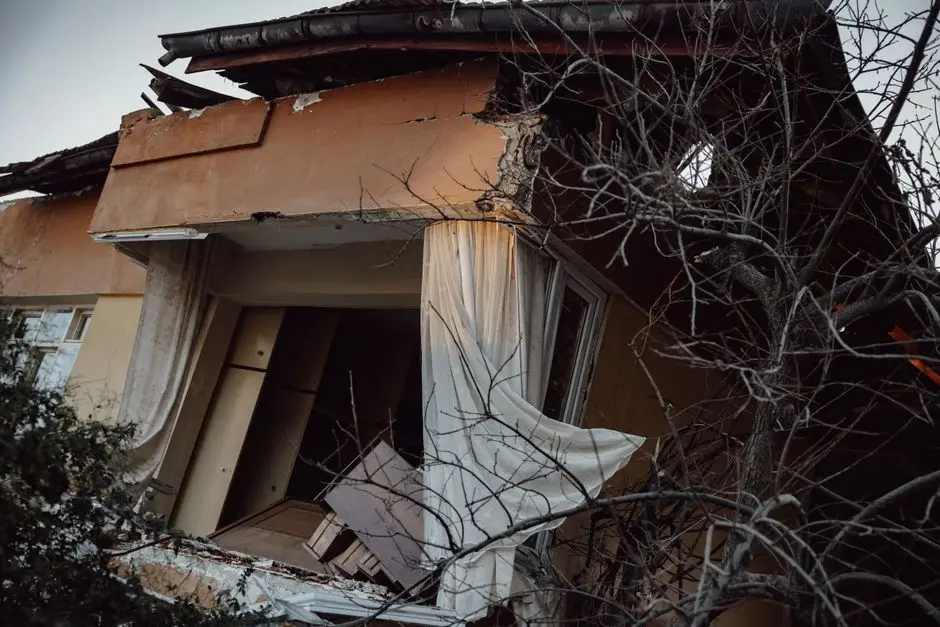



Arlington Heights has a unique set of water damage risks because of its age, soil, and climate. The clay soil moves with moisture changes, stressing pipes and foundations. The mature trees send roots into sewer lines. The older homes have plumbing that's nearing the end of its life. And the summer storms can dump inches of rain in hours. These factors combine to create the problems we see most often.
The clay soil under Arlington Heights expands when wet and shrinks when dry. This movement stresses the pipes under your slab, causing them to crack or separate. Slab leaks can run for weeks before you notice a warm spot on the floor or a high water bill.
Arlington Heights has many mature oak trees, and their roots seek out moisture in sewer lines. Roots enter through cracks and joints, causing blockages that lead to backups. Older clay pipes are especially vulnerable.
When temperatures drop below freezing, water in exposed pipes can freeze and expand, splitting the pipe. Arlington Heights has many older homes with pipes in unheated crawl spaces or attics, which are especially vulnerable.
Heavy summer storms and falling branches can damage shingles and flashing, allowing water to enter the attic and walls. Older roofs with patched flashing are especially prone to leaks.
Water damage isn't always obvious. Sometimes it's a stain on the ceiling, sometimes it's a musty smell, and sometimes it's a spike in your water bill. If you notice any of these signs, call us for an inspection. We'll find the source and tell you what needs to be done. If you're searching for same-day water damage restoration Arlington Heights, we can often get to you within hours.
Warm spot on the floor
A warm spot on a slab floor usually means a hot water line is leaking under the slab. The warm water heats the concrete, and you can feel it through the flooring. This is a common sign of a slab leak in Arlington Heights, and it needs immediate attention.
Musty smell in a room
A musty odor usually means mold or mildew is growing somewhere. In Arlington Heights' older homes, mold often hides behind plaster walls or under hardwood floors. If you smell it but can't see it, we can find it with thermal imaging and boroscope cameras.
Spike in your water bill
If your water bill jumps unexpectedly, you probably have a leak. Slab leaks and underground pipe leaks are common in Arlington Heights because of the clay soil. A leak can run for weeks before you notice other signs, so don't ignore a high bill.
Stained or bubbling paint
Water behind a wall causes paint to bubble, peel, or stain. This is a sign that water is getting into the wall cavity, either from a roof leak, a plumbing leak, or a window leak. If you see this, call us before the damage spreads.
Sewage backing up into drains
If sewage backs up into your tub or floor drain, you have a blockage or a broken sewer line. This is a health hazard and requires professional cleanup. Arlington Heights' aging clay sewer pipes are prone to root intrusion and cracks, so this is a common problem here.
Arlington Heights is a large neighborhood, and knowing the landmarks helps us get to you faster. We use Camp Bowie Boulevard as our main east-west route, and we know the side streets that let us avoid traffic. Whether you're near Arlington Heights High School or over by Trinity Park, we can find you.
A major landmark on the east side of the neighborhood. If you're near the high school, we know exactly where to turn. It's a common reference point for homeowners giving us directions.
The main commercial artery through Arlington Heights. We use it as our primary route and know all the cross streets. If your home is off Camp Bowie, we can get there quickly.
A large park on the eastern edge of Arlington Heights. Homes near Trinity Park often have mature trees and older infrastructure. We know the streets around the park well.
Located near Trinity Park, the Botanic Garden is another orientation point. If you're near the garden, you're close to some of the oldest homes in the neighborhood.
Plus surrounding Dallas County neighborhoods, with same-day routing on most appointments.
Averaging 4.9 / 5 across verified reviews.
“Our water heater burst on a Sunday morning and flooded our kitchen. We called Dallas Home Mold Water Fire Damage and they were at our house within 45 minutes. They extracted the water, set up drying equipment, and checked for moisture in the walls. They also helped us file our insurance claim. I can't recommend them enough.”
Sarah M.
Crestwood
“We had a slab leak in our 1950s ranch and didn't know where it was coming from. The team used thermal imaging to find it without tearing up the whole floor. They dried everything out and worked with our plumber to get the pipe fixed. Professional and honest.”
David R.
Westover Hills
“After a sewage backup in our basement, we were panicked. The team arrived quickly, explained what they were doing, and handled the cleanup safely. They removed the contaminated materials and disinfected everything. The smell was gone in a day. They also helped us understand our insurance coverage.”
Linda K.
Monticello
Arlington Heights sees water damage year-round, but the type of damage changes with the seasons. Spring brings heavy rains and storm flooding. Summer brings high humidity and appliance failures. Fall brings falling leaves that clog gutters. Winter brings freeze events that burst pipes. Knowing what to expect can help you prevent damage before it happens.
Spring in Arlington Heights brings heavy rains and severe storms. We see storm flooding, roof leaks, and sewage backups from overwhelmed sewer lines. The clay soil is saturated, which can cause foundation movement and slab leaks.
Tip: Clear your gutters and downspouts before the spring rains hit. Make sure your sump pump is working. If you have a crawl space, check for signs of water intrusion after heavy storms.
Summer heat and humidity can cause appliance failures, especially water heaters and air conditioners. We also see slab leaks as the clay soil dries and shrinks, stressing pipes. Mold growth is more common in summer because of the humidity.
Tip: Check your water heater for leaks and rust. Run your air conditioner regularly to reduce indoor humidity. If you notice a musty smell, call us for a mold inspection.
Fall brings falling leaves that can clog gutters and downspouts, causing water to back up into your roof or foundation. We also see roof leaks from summer storm damage that wasn't repaired. Temperatures start to drop, so pipes in unheated spaces may begin to freeze.
Tip: Clean your gutters after the leaves fall. Inspect your roof for damage. Insulate exposed pipes in crawl spaces and attics before the first freeze.
Winter freezes are the biggest cause of burst pipe calls we get in Arlington Heights. Pipes in unheated crawl spaces, attics, and exterior walls are most vulnerable. We also see ice dams on roofs, which can cause water to back up under shingles.
Tip: Drip your faucets during hard freezes to keep water moving. Open cabinet doors under sinks to let warm air circulate. If you're going out of town, shut off your water main and drain the lines.
Arlington Heights is centrally located in Fort Worth, which makes it easy for us to serve surrounding neighborhoods and cities. If you're in Downtown Fort Worth, Fairmount, Ryan Place, Tanglewood, Wedgwood, or the University Area, we can get to you. We treat the whole region as our service area.
(City)
About 10 minutes east of Arlington Heights. We serve downtown businesses and residents who need commercial restoration or emergency water removal.
View Downtown Fort Worth(City)
Just south of Arlington Heights. Fairmount has similar historic housing stock, and we handle many of the same water damage issues there.
View Fairmount(City)
South of Arlington Heights, near Texas Christian University. We serve Ryan Place homeowners with water damage restoration and mold remediation.
View Ryan Place(City)
West of Arlington Heights. Tanglewood has larger homes on bigger lots, and we handle slab leaks and roof leaks there regularly.
View Tanglewood(City)
Southwest of Arlington Heights. Wedgwood is a family neighborhood with mid-century homes. We respond to burst pipe and appliance leak calls there.
View Wedgwood(City)
Near TCU, south of Arlington Heights. We serve rental property owners and students who need emergency water removal and mold testing.
View University AreaReal answers from our team for the questions we hear most often before a job starts.
We've been drying out Arlington Heights homes since 2017. Whether you're dealing with a burst pipe in Crestwood or a sewage backup in Monticello, we're ready to help. We answer the phone 24/7, arrive within 60 minutes for emergencies, and work with your insurance company to get your claim approved. Call (469) 895-3421 now and we'll dispatch a crew to your Arlington Heights home.
Call (469) 895-3421 any time, day or night. A live person answers, not a machine. We dispatch crews 24/7 across Dallas and the surrounding metro, and we average under 60 minutes to arrive. If you prefer email, reach us at info@dallashomemoldwaterfiredamage.com and we will respond the same day.
Phone
(469) 895-3421Address
3924 Sandshell Dr #5800, Fort Worth, TX 76137, Dallas, Texas
Hours
Mon–Fri: 7AM – 7PM
Sat: 8AM – 4PM
Sun: Emergency Only
24/7 Emergency Available