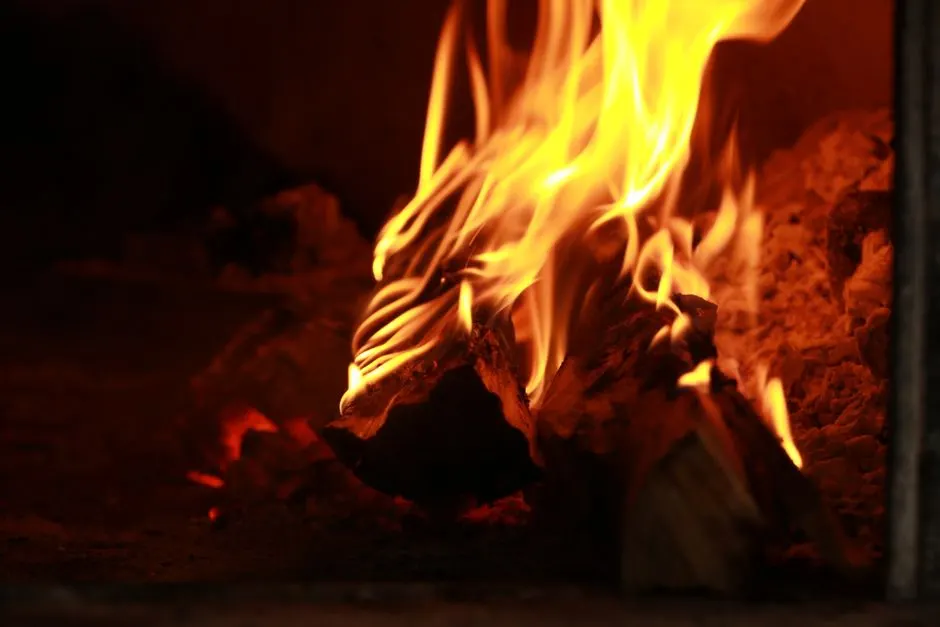
Emergency board-up and tarp
We seal broken windows, burned doors, and roof openings with plywood and tarps. This is usually done within the first 2 to 4 hours on-site and is the single most important step to prevent secondary water and mold damage.
Every fire loss scope is different, but the core of the job is the same: stop the damage, clean what can be saved, replace what cannot, and prove the air is safe. Here is what is included in a standard residential or commercial fire loss with us. Anything outside this list gets written into the scope and approved by you before we start.
We seal broken windows, burned doors, and roof openings with plywood and tarps. This is usually done within the first 2 to 4 hours on-site and is the single most important step to prevent secondary water and mold damage.
HEPA vacuuming of ceilings, walls, and framing, followed by hand-wiping with the correct cleaner for each material. Drywall, wood, metal, glass, and appliances each get a different treatment so nothing gets etched or scratched.
If the fire department used water, we extract standing water with truck-mount units and set Dri-Eaz dehumidifiers and air movers. We monitor moisture daily with a moisture meter until readings match a dry standard.
We seal affected rooms and run ozone generators or hydroxyl equipment to break down smoke odor at the molecular level. HVAC ducts, insulation, and wall cavities get treated separately because that is where the smell hides.
Charred framing, burned insulation, and unsalvageable contents are bagged and hauled to a licensed disposal site. We photograph everything before it leaves so your adjuster has a record of what was removed.
We deliver a full photo report, moisture readings, and an Xactimate scope to your carrier. That packet is what gets your claim approved faster and keeps the rebuild on schedule.
Fire & Smoke Damage Restoration Dallas TX is the trade of removing soot, char, and smoke residue from a structure, then drying and deodorizing it so the building is safe to live in again. Fire leaves three problems behind: heat damage to framing and drywall, acidic soot that etches metal and glass within hours, and smoke odor that soaks into insulation, plywood, and upholstery. We test surfaces with a moisture meter and thermal imaging camera, then match the cleaning method to each material.
Dallas homes burn differently depending on the season. A kitchen grease fire in November behaves nothing like a December space-heater fire in a 1950s Oak Cliff bungalow with original attic insulation. Smoke travels through HVAC ducts and settles in closets two rooms away from the flames. That is why we scope the whole house, not just the burned room, and why we pull air samples before we call a job finished.
Every fire loss is different, but the sequence is not. Here is the five-step path from the first phone call to the day you move back in.
Schedule
Call or book online — a real human picks up and confirms a 2-hour arrival window.
Diagnose
Licensed tech inspects on-site, then walks you through the cause and your options.
Fix
The job is completed to code and done right the first time — no shortcuts, no surprises.
Guarantee
Every job backed by a written workmanship warranty — and we stand behind it.
Thermal imaging camera
Finds hidden moisture behind walls and ceilings after firefighting water soaks into the structure. We use it on every job before we set drying equipment.
Moisture meter
Reads moisture content in drywall, framing, and subfloor. We log readings daily and compare them against a dry standard to know when the structure is actually dry.
HEPA vacuum
Captures fine soot particles that a shop vac would just blow back into the air. We run it on ceilings, walls, and framing before any wet cleaning starts.
Ozone generator
Breaks down smoke odor at the molecular level inside sealed rooms. We run it after soot cleaning and verify with air testing before we let anyone back in.
Boroscope camera
Lets us look inside wall cavities and HVAC ducts to confirm smoke residue and odor are actually gone, not just covered up.
Dri-Eaz dehumidifiers and air movers
Pull moisture out of the air and move it off wet surfaces. We size the equipment to the cubic footage of the affected space, not a one-size-fits-all count.
Xactimate estimating software
The same platform most Texas adjusters use. Our scope matches their format, which means fewer back-and-forth emails and faster claim approvals.
IICRC S500 and S520 standards
S500 covers water damage restoration and S520 covers fire and smoke restoration. We follow both on every job, which means our drying targets, cleaning methods, and clearance criteria match the industry standard your adjuster expects.
Source removal before deodorization
Ozone will not fix a smoke smell if the charred insulation is still in the wall. We remove the source first, then deodorize. Skipping this step is why so many fire jobs smell again three months later.
Daily moisture monitoring
We log moisture readings every day until the structure hits a dry standard. That log goes into your claim file and is the proof your adjuster needs to close the water portion of the loss.
Clearance verification
Before we hand the property back, we walk it room by room, take final readings, and run a boroscope check inside wall cavities. If anything still reads, we re-treat it. No guessing.
01
What we do: We board up the burned window, extract the firefighting water, HEPA vacuum the entire house, and replace the saturated attic insulation. HVAC ducts get treated separately because smoke traveled through them.
→ Family back in the house in 12 days. Attic insulation replaced, no smoke smell after the first AC cycle, and the claim closed without a supplement.
02
What we do: We seal the bedroom, run ozone equipment for 48 hours, clean every hard surface, and treat the shared HVAC ductwork so the smell does not spread to neighboring units.
→ Tenant back in the unit in 6 days. Property manager avoided a second claim from the adjacent unit and passed the post-repair walk-through on the first try.
03
What we do: We mobilize overnight, board the kitchen, run hydroxyl equipment in the dining room, and clean every surface before Monday. Rebuild of the burned wall happens in parallel.
→ Restaurant reopened in 11 days. Health inspector signed off on the first walk-through and the owner did not lose the weekend brunch crowd.
04
What we do: We remove the burned drywall, clean the framing, replace the insulation, and treat the hallway and HVAC return with ozone. The dryer vent gets replaced with code-correct rigid duct.
→ Job wrapped in 5 days. Homeowner avoided a full laundry room remodel and the new vent passed inspection.
Dallas fire losses have a few local quirks. The housing stock is a mix of 1920s bungalows in Oak Cliff and East Dallas, 1970s ranches in 75230 and 75231, and new builds out west in 75098 and 75287. Older homes have balloon-frame construction and original attic insulation, which means smoke travels vertically through wall cavities and settles in the attic. Newer homes are tighter, so smoke spreads through the HVAC system instead. We scope for both. Dallas summers push 100 degrees, which speeds up soot etching on metal and accelerates mold growth from firefighting water. Winter freezes burst pipes, and homeowners thaw them with space heaters, which is how a lot of our December and January fire calls start. We follow TDLR licensing rules, pull permits where required by the City of Dallas, and follow EPA Lead-Safe practices on any pre-1978 home. If you are searching for affordable smoke damage restoration in Dallas Texas, call (469) 895-3421 and we will give you a written scope before we start.
Oak Cliff
Mostly 1920s bungalows with balloon-frame walls. Smoke travels vertically into the attic, so we always scope the attic even on a single-room fire.
East Dallas
Older housing stock with original knob-and-tube wiring in some homes. We coordinate with a licensed electrician before we close up any wall.
75230 and 75231
1970s ranches with original attic insulation. That insulation holds smoke odor and usually has to be replaced, not cleaned.
75098 and 75287
Newer builds with tight envelopes and central HVAC. Smoke spreads through the ductwork, so duct cleaning is part of every scope here.
Design District
Commercial kitchens and warehouses. Grease fires and after-hours losses need night crews so the business can reopen fast.
Summer heat above 100 degrees
Accelerates soot etching on metal and speeds up mold growth from firefighting water. We prioritize extraction and drying on summer jobs.
Winter freeze events
Burst pipes and space-heater fires spike in December and January. We keep extra crews on call during freeze warnings.
Hail and wind storms
Storm damage often causes the electrical fault that starts a fire. We tarp the roof and handle the fire loss in the same mobilization.
Older housing stock with lead paint
Pre-1978 homes require EPA Lead-Safe work practices during demo. Our crews are certified and follow the containment rules on every job.
Most of the damage from a house fire happens after the trucks leave. Here are the four problems we see most often in Dallas, and how we handle each one.
Problem
If odor is not treated at the source, it returns every time the AC runs in a Dallas summer. That means failed inspections, unhappy tenants, and a claim that never really closes.
Our Fix
We seal the affected rooms, run ozone and hydroxyl equipment, and treat HVAC ductwork and wall cavities separately. We verify with a boroscope camera inside the walls before we call the job done.
Problem
Soot is acidic. Left on chrome, appliances, or copper pipe for 72 hours, it pits the surface permanently. Fixtures that could have been cleaned end up on the replacement list.
Our Fix
We HEPA vacuum and hand-wipe every affected surface within the first 24 to 48 hours using the correct cleaner for the material. Most appliances and fixtures that would have been replaced get saved instead.
Problem
A 20-minute fire can leave 200 gallons of water in your walls and subfloor. Untreated, that becomes mold in 48 to 72 hours and a second insurance claim.
Our Fix
We extract standing water the same visit we board up, then set Dri-Eaz dehumidifiers and air movers. We monitor moisture daily until the structure hits a dry standard, then document it for your adjuster.
Problem
If your contractor's estimate does not match what the adjuster expects, the claim stalls. Weeks go by, the house sits, and the damage gets worse.
Our Fix
We write our scope in Xactimate, the same software most Texas adjusters use. Line items match their format, photos are labeled, and the cause-of-loss narrative is clear. That is why our claims move faster.
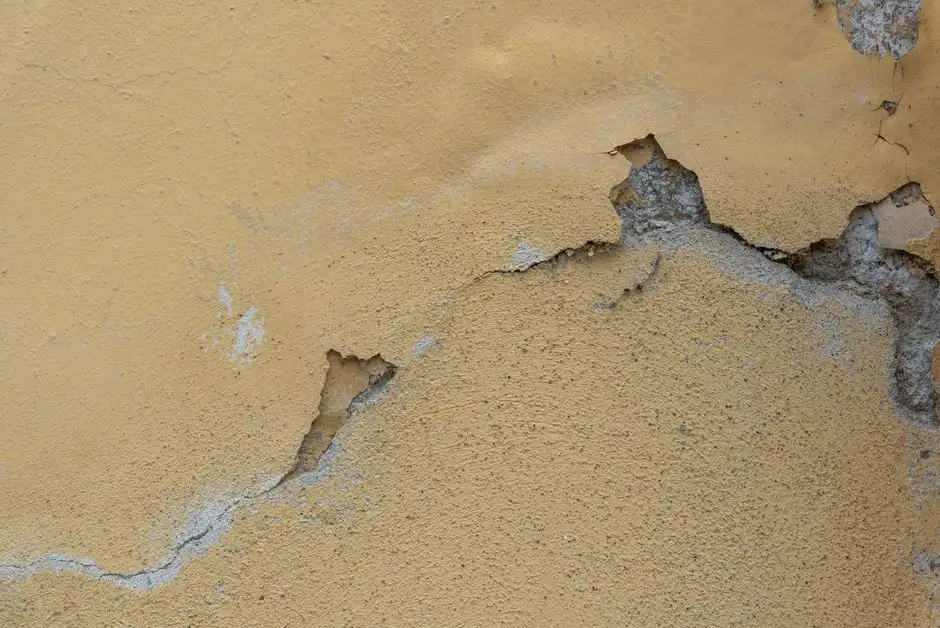
A fire is a one-day event. The damage it causes is a 30-day problem if nobody stops it. Here is what changes when you put a trained crew on the property within hours instead of days.
Same-day board-up and tarp
We secure broken windows, burned doors, and roof openings before we leave the first visit. That stops rain, looters, and animals from turning a fire claim into a water and mold claim. Most Dallas board-ups are done within 3 to 5 hours of the call.
Soot stopped in its tracks
Soot is acidic. Left on chrome, appliances, or copper pipe for 72 hours, it pits the surface permanently. We HEPA vacuum and wipe every affected surface with the right cleaner for the material, so you are not replacing fixtures that could have been saved.
Odor gone, not covered up
Smoke smell lives in insulation, drywall paper, and HVAC ductwork. We run ozone generators and hydroxyl equipment in sealed rooms, then verify with a boroscope camera inside wall cavities. If the smell comes back after a hot Dallas summer, we did not do our job.
Insurance paperwork handled
We write our scope in Xactimate, the same estimating software most Texas adjusters use. That means fewer back-and-forth emails, faster approvals, and a line-item breakdown you can actually read. We have been doing this since 2017 and know what Dallas County carriers expect.
Google ★★★★★4.9
Kitchen fire at 11 p.m. Crew was at the house by 12:40 a.m. and had the board-up done before sunrise. Xactimate scope was in my adjuster's hands by Friday and approved the same week. Nine days later we were back in the house with no smoke smell.
Yelp ★★★★★5.0
I manage three rentals in North Dallas. Space heater fire in January, and this team handled the board-up, soot cleaning, and ozone treatment. They found smoke residue in the HVAC ducts that two other companies missed. Worth every dollar.
BBB ★★★★★4.8
Grease fire in our restaurant kitchen. They worked nights so we did not lose more business and got us back open in 11 days. Health inspector signed off on the first walk-through. I have their number saved.
Google ★★★★★4.9
Dryer vent fire in our laundry room. They removed the burned drywall, cleaned the framing, and replaced the vent with code-correct rigid duct. Job wrapped in 5 days and the new vent passed inspection. Straightforward pricing, no surprises.
Dallas Home Mold Water Fire Damage has been restoring Dallas-area properties since 2017. In that time we have worked everything from single-room kitchen fires in 75230 to full-loss commercial losses in the Design District. Our technicians hold IICRC WRT and IICRC ASD certifications, and we follow the IICRC S500 and S520 standards on every job. We are licensed by the Texas Department of Licensing and Regulation (TDLR) and carry EPA Lead-Safe certification for work in pre-1978 homes, which is most of the older stock in East Dallas and Oak Cliff.
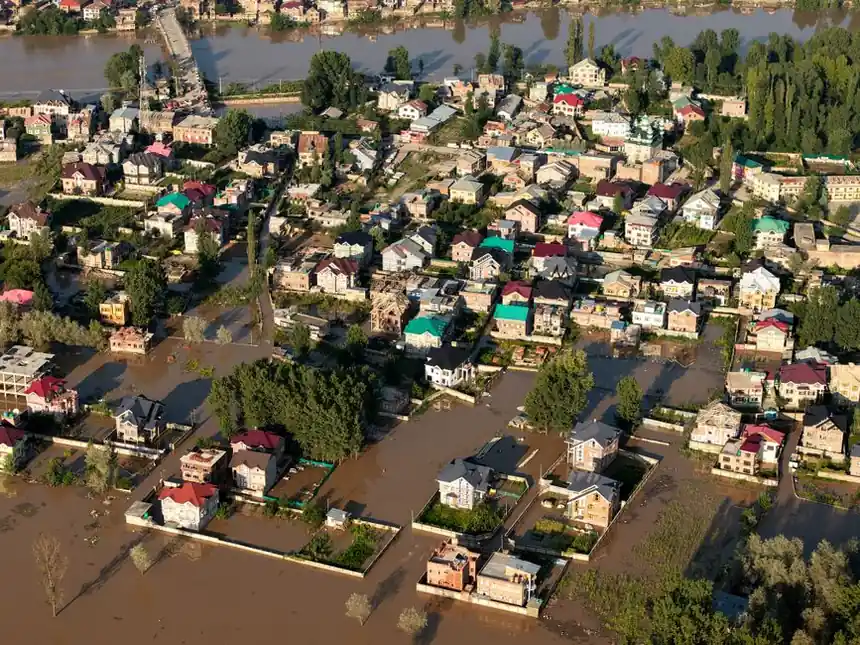
Real experiences from customers who chose our Fire & Smoke Damage Restoration services.
“Kitchen fire at 11 p.m. on a Tuesday. Crew was at the house by 12:40 a.m., boarded the back door, and started pulling water from the fire hoses. They had the whole scope in Xactimate by Friday and my adjuster approved it the same week. Nine days later we were back in the house. No smell, no surprises on the invoice.”
Marcus T.
Homeowner, Oak Cliff
“I manage three rentals in North Dallas and had a tenant space heater fire in January. The team handled the board-up, the soot cleaning, and the ozone treatment, then walked the property with me room by room. They found smoke residue in the HVAC ducts that two other companies missed. Worth every dollar.”
Priya R.
Landlord, 75230
“Grease fire in the kitchen took out a wall and filled the dining room with smoke. They worked nights so we did not lose more business, ran hydroxyl equipment in the dining room, and got us back open in 11 days. The health inspector signed off on the first walk-through. I have their number saved.”
Danny K.
Restaurant Owner, Design District
Real answers to the questions we hear most often from local homeowners and property managers.
Firefighting water does its own damage. After the flames are out, we extract standing water, dry framing, and check for hidden moisture behind walls so you do not trade a fire claim for a mold claim.
View Water Damage RestorationWhen the fire department leaves 200 gallons in your living room, every hour counts. We pull water with truck-mount extraction units the same visit we board up, before it wicks into baseboards and subfloor.
View Emergency Water RemovalWet drywall and insulation from firefighting water can grow mold in 48 to 72 hours. If we find growth during the fire job, we handle it under the same scope so you are not filing a second claim three weeks later.
View Mold RemediationAfter a fire, we pull air samples in affected rooms to confirm the space is clean before you move back in. Lab results come back in 2 to 3 days and go straight into your claim file.
View Mold Testing & InspectionIf a fire damages plumbing or a sewer line backs up during the loss, we handle the Category 3 cleanup with the same crew. That means one scope, one invoice, and no finger-pointing between trades.
View Sewage CleanupDallas hail and wind storms sometimes cause the electrical fault that starts a fire. We tarp the roof, board the windows, and handle the fire loss in the same mobilization so you are not waiting on two separate crews.
View Storm Damage RestorationCall (469) 895-3421 any time, day or night. A live person answers, not a machine. We dispatch crews 24/7 across Dallas and the surrounding metro, and we average under 60 minutes to arrive. If you prefer email, reach us at info@dallashomemoldwaterfiredamage.com and we will respond the same day.
Phone
(469) 895-3421Address
3924 Sandshell Dr #5800, Fort Worth, TX 76137, Dallas, Texas
Hours
Mon–Fri: 7AM – 7PM
Sat: 8AM – 4PM
Sun: Emergency Only
24/7 Emergency Available