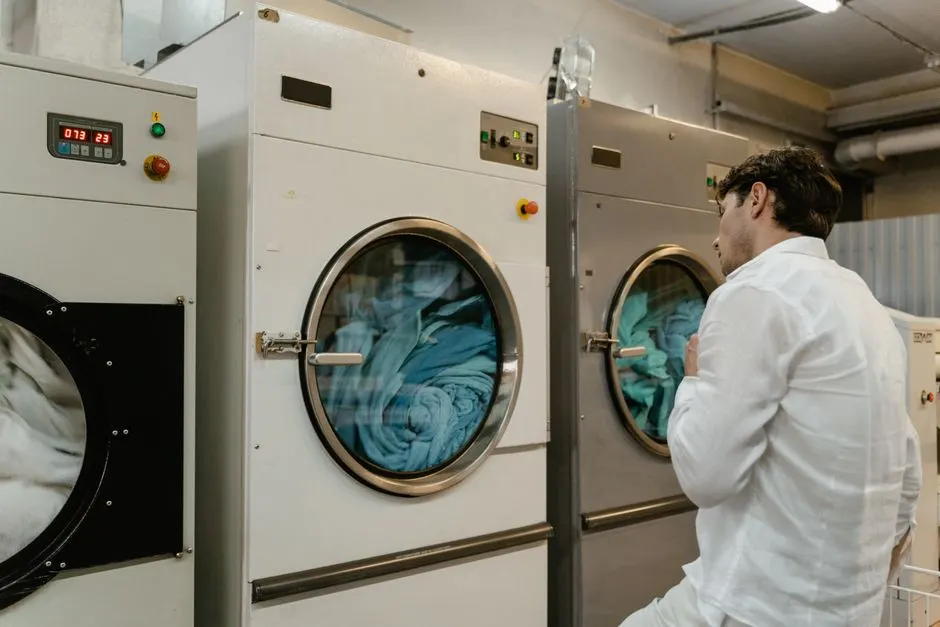
Appliance leaks happen because a rubber supply hose, a plastic drain line, or a gasket seal fails long before the appliance itself does. In Dallas, where our water runs hard and our summers push appliances to work harder, those failures show up fast. What causes appliance leaks and how to stop them fast comes down to three things: shut off the water, find the failed part, and dry the area before mold gets a foothold. This guide walks through the specific causes we see most in Dallas homes, the exact steps to stop a leak in the first ten minutes, and when a wet floor means you need professional help rather than a towel.
What causes appliance leaks and how to stop them fast in Dallas TX
Appliance leak causes in Dallas TX almost always trace back to one of four things: a pressurized supply line that has aged out, a drain hose that has cracked or clogged, a door or tub seal that has hardened, or a connection that has worked loose from vibration. The appliance is rarely the culprit. The parts feeding it are.
Dallas water is notoriously hard. That mineral load leaves scale inside water heaters, dishwasher valves, and washing machine inlet screens. Scale buildup raises pressure at the connection points, and pressure is what turns a slow drip into a burst line at 2 a.m. Add attic-installed water heaters and washing machines on second floors, and a small leak has a straight path down through drywall and insulation.
If you have already got standing water, the priority shifts from diagnosis to cleanup. Our team handles Water Damage Restoration Dallas TX across the metro, and the first hour matters more than anything else you do that day.
The five appliance leaks we get called for most in Dallas
These are the five leaks that fill our schedule in Dallas, ranked roughly by how much damage they cause when they are ignored for a day.
Washing machine supply hose failure
The braided stainless hose on the back of a washing machine has a rubber core. That core dries out, cracks, and eventually splits. When it goes, it releases water at full household pressure - roughly 40 to 80 PSI - until someone shuts the valve. A split supply hose can dump 500 gallons an hour. If your washer sits on a second floor or over a slab, that water is going into your ceiling or your foundation.
Dishwasher drain and door seal leaks
Dishwasher leak causes in Dallas usually come down to a clogged drain hose, a worn door gasket, or an overfilled tub from a stuck float switch. Hard water accelerates all three. A door gasket that has gone stiff will weep a thin line of water across the floor every cycle, and that thin line is enough to warp a wood cabinet toe kick within a week.
Refrigerator water line and ice maker leaks
Refrigerator leak water damage in Dallas often starts behind the unit where nobody looks. The plastic supply line to the ice maker cracks, or the saddle valve that feeds it starts weeping. Because the fridge hides the leak, water runs under the flooring and into the subfloor before you notice a soft spot or a buckling plank.
Water heater tank and fitting leaks
Water heater leak causes in Dallas TX include a corroded tank, a failed T&P valve, a loose inlet or outlet fitting, and sediment buildup that overheats the bottom of the tank. A tank that is leaking from the body is done - no repair saves it. A leaking fitting or valve is fixable. The tell is where the water is coming from: fittings leak at the top, tanks leak at the base.
HVAC condensate and ice maker line leaks
Your air conditioner pulls gallons of water out of Dallas air every summer day. That condensate drains through a PVC line that clogs with algae and dust. When it clogs, the pan overflows into the ceiling or the closet floor. It is one of the most common hidden leaks we find during water damage cleanup Dallas TX calls in July and August.
How to stop an appliance leak fast in Dallas Texas
How to stop appliance leak Dallas homeowners can do themselves comes down to a short, ordered sequence. Do these in order and you will limit the damage to a wet floor instead of a flooded room.
- Shut off the water. For a washer, turn the two valves behind the unit clockwise. For a water heater, close the cold inlet valve on top. For a fridge, push the saddle valve closed or pull the unit out and shut the nearest supply valve.
- Kill the power to the appliance. If water is anywhere near the plug or the breaker panel, do not touch the cord. Trip the breaker first.
- Pull the appliance out if you safely can. Getting the unit off the wet spot stops the leak from wicking further and lets you see the source.
- Contain and extract. Towels and a wet/dry vac handle a small spill. Anything more than a few cups means water has already gone under the flooring.
- Dry the area within 24 to 48 hours. Mold in Dallas can start colonizing a wet wall cavity in under 48 hours in summer humidity. Fans and a dehumidifier help, but they rarely reach inside a wall.
If the leak is a washing machine, the repair is usually a hose and a pair of pliers. If it is a water heater tank, the unit is being replaced. If it is a dishwasher, the fix depends on whether the leak is the gasket, the drain, or the valve. For anything beyond a hose swap, our Appliance Leak Cleanup Dallas TX team handles the extraction, drying, and repair in one visit.
Appliance leak prevention in Dallas TX: what actually works
Appliance leak prevention in Dallas TX is mostly about replacing cheap parts before they fail and installing a few inexpensive safeguards. None of it is complicated, and all of it costs less than a single water damage claim.
- Replace rubber supply hoses with braided stainless every 5 years. Write the install date on the hose with a marker. Rubber hoses have a service life, and 5 years is the number.
- Install a washing machine shutoff valve or leak sensor. These devices cut the water automatically when they detect a leak. They run $80 to $200 and install in under an hour.
- Flush your water heater once a year. Dallas hard water drops sediment that shortens tank life. Annual flushing adds years.
- Check the fridge water line every 6 months. Look for cracks, kinks, and moisture at the saddle valve.
- Run a vinegar cycle through the dishwasher monthly. It clears the scale that clogs drain lines and stiffens gaskets.
- Clear the HVAC condensate line each spring. A cup of vinegar down the access port keeps algae from forming.
If you have already had one leak this year, it is worth having the rest of the house checked. We see the same pattern in older Dallas neighborhoods where original plumbing and modern appliances share the same supply lines. Homeowners we work with on Water Damage Restoration in Keller often find their second leak within a month of the first, because the same age and water quality that killed one hose is working on the others.
Common mistakes that turn a small leak into a big repair
The difference between a $200 repair and a $6,000 restoration is usually one of these mistakes.
- Assuming the floor is dry because the surface feels dry. Water travels under tile and laminate. A moisture meter is the only way to know.
- Running the appliance again to "see if it still leaks." You already know it leaks. Running it adds more water to the same spot.
- Leaving the wet/dry vac as the only drying step. A vacuum pulls surface water. It does nothing for the subfloor or the wall cavity.
- Waiting until morning. A supply line leak does not stop at night. Every hour it runs, the damage grows.
- Not documenting anything for insurance. Photos of the leak source, the wet area, and the damaged materials make the claim straightforward.
When to call a professional
Call a professional when the water has gone anywhere you cannot see - under flooring, into a wall, or through a ceiling. Also call when the appliance is a water heater leaking from the tank, when the leak has been running for more than a few hours, or when you smell that musty, damp smell that means mold has already started.
Dallas Home Mold Water Fire Damage handles appliance leak cleanup, structural drying, and mold remediation across the metro. We find the leak, fix the source, dry the structure, and test the moisture before we leave. If mold has already taken hold, we handle that too - our Mold Remediation Dallas TX team works the same job from start to finish so you are not coordinating two contractors.
Frequently Asked Questions
What causes appliance leaks in Dallas TX?
The most common causes are aged rubber supply hoses, cracked drain lines, worn door gaskets, loose fittings, and hard water scale that raises pressure at connection points. Dallas water is mineral-heavy, which shortens the life of rubber and plastic parts compared to softer-water cities.
How do I stop an appliance leak fast in Dallas Texas?
Shut off the water supply valve first, then cut power to the appliance, pull it off the wet spot, and extract standing water. Dry the area within 24 to 48 hours. If water reached a wall cavity or subfloor, call for professional drying the same day.
Does insurance cover appliance leak water damage in Dallas?
Most Dallas homeowner policies cover sudden and accidental appliance leak damage, including water extraction and structural drying. They typically do not cover the failed hose or the appliance itself, and they exclude long-term seepage you should have noticed. Document everything and file promptly.
Who do I call for appliance leak cleanup in Dallas TX?
Call a water damage restoration company that handles extraction, structural drying, and mold prevention in one visit. Dallas Home Mold Water Fire Damage does all three, and we can be reached at (469) 895-3421 for emergency appliance leak cleanup near me Dallas calls.
Get help with Water Damage Restoration in Dallas
If an appliance leak has left you with wet floors, a damp wall, or that first whiff of mold, we can be at your door today. Call Dallas Home Mold Water Fire Damage at (469) 895-3421 and we will find the source, dry the structure, and get your home back to normal.