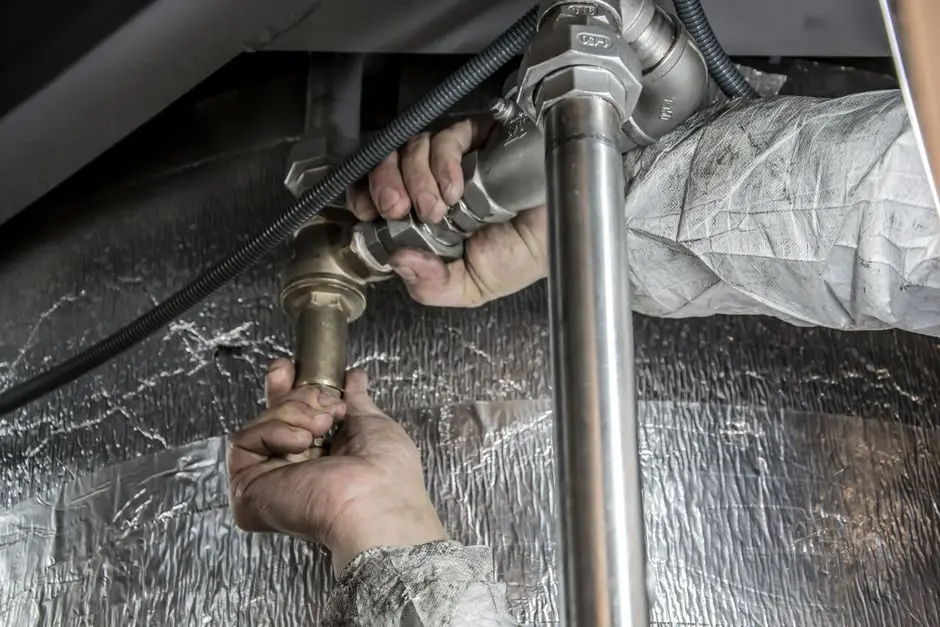
To shut off your water main before a burst pipe floods your home, locate the main shut-off valve - usually where the supply line enters the house, in a basement, crawlspace, garage, or outdoor curb box - and turn the handle clockwise until it stops. That single move can stop 8 to 10 gallons per minute from pouring into your Dallas home. This guide walks you through finding that valve, turning it fast, and what to do in the minutes after the water stops.
We are Dallas Home Mold Water Fire Damage, and we have walked into hundreds of homes across Dallas where a homeowner stood in ankle-deep water wishing they had known where the valve was. Here is everything you need to know before that moment arrives.
Find Your Shut-Off Valve Before You Need It
The water main shut-off valve is the single control point that stops all water flowing into your home's plumbing system. In Dallas homes, it lives in one of four places, and knowing which one applies to your house takes about five minutes of looking.
Start outside. Walk the perimeter of your house and find where the water supply line enters. In most Dallas neighborhoods built before 1990 - think East Dallas, Oak Cliff, and parts of Lakewood - the main shut-off is a brass or cast-iron valve on an exposed pipe near the foundation, often in a small concrete or plastic box set into the ground near the curb. That box is called a curb stop, and it belongs to the city. Your private shut-off valve is usually just inside the house where that line penetrates the wall.
Inside, check these locations in order:
- Garage: Look on the wall nearest the water heater. Many Dallas slab-foundation homes route the main through the garage.
- Utility closet or laundry room: Common in newer builds and townhomes.
- Crawlspace or basement: Less common in Dallas, but older homes in the M Streets and Swiss Avenue area sometimes have them.
- Under the kitchen sink or in a bathroom cabinet: This is usually a fixture shut-off, not the main. Do not confuse the two.
Once you find it, tag it. A zip tie with a bright red tag costs a dollar and saves you from fumbling in the dark. Test the valve by turning it clockwise until it stops, then turning it back counterclockwise. If it will not budge or feels loose, call a licensed plumber before you have an emergency - a stuck valve during a flood is a nightmare.
If you live in an older Dallas neighborhood like Ryan Place Water Damage Restoration, where homes date to the 1920s and plumbing has been patched over decades, your valve may be original and seized. We see this constantly. Get it replaced now, not at 2 a.m. with water spraying.
How to Shut Off the Water Main in 60 Seconds
When water is actively pouring, you have seconds to act. Here is the exact sequence.
- Turn the valve clockwise. Gate valves (round handle) and ball valves (lever handle) both close clockwise. Turn until it stops. Do not force it past the stop point.
- If it is a lever, turn it 90 degrees. A ball valve handle should end perpendicular to the pipe. That is fully closed.
- Open a low faucet. Go to the lowest sink or outdoor spigot in the house and open the cold side. This drains remaining water from the lines and confirms the main is actually off.
- Kill the power to wet areas. If water is near outlets, appliances, or your electrical panel, do not wade through it. Go to the breaker box only if you can reach it on a dry path. Otherwise, call an electrician or the power company.
If your valve is a curb stop outside and you do not have a curb key, you can use a pair of channel-lock pliers on the square nut at the top. It is awkward, but it works. Every Dallas homeowner should own a $15 curb key - keep it in the garage.
One more thing: if you live in an apartment or condo, you may not have a private main shut-off. Your unit's water may be controlled by a building-wide valve. Find out now where that is and who has access. In a multi-unit building, one burst pipe can flood three floors before anyone finds the shut-off.
Why Dallas Pipes Burst (and When It Happens Most)
Dallas pipes burst most often during hard freezes, typically in January and February, when temperatures drop below 20°F for more than six hours. The physics is simple: water expands about 9% when it freezes, and that expansion cracks copper, PVC, and even PEX lines. The burst does not always happen at the frozen spot - pressure between the ice plug and a closed faucet is what splits the pipe.
But freeze events are not the only cause. We get calls year-round for:
- Slab movement: Dallas sits on expansive clay soil that swells and shrinks with moisture. That movement stresses pipes under the slab. A slab leak repair Dallas TX call often starts with a homeowner noticing a hot spot on the floor or a spike in the water bill.
- Old galvanized or polybutylene pipe: Homes built between 1978 and 1995 may have polybutylene supply lines that fail at fittings. Galvanized steel from the 1950s and earlier rusts from the inside out.
- High water pressure: Dallas water pressure can run 80 to 100 psi in some areas. Anything over 80 psi stresses every joint in the house. A $30 pressure-reducing valve saves thousands.
- Appliance supply lines: Washing machine hoses and dishwasher lines are the most common non-freeze burst points. Replace rubber hoses with braided stainless every five years.
If your burst pipe is already spraying, the shut-off is step one. Step two is calling a team that handles Burst Pipe Water Damage Dallas TX - because stopping the water does not undo the damage already done to drywall, insulation, and flooring.
What to Do After the Water Stops
Once the water is off, the clock starts on mold. Mold can begin growing on wet drywall and framing within 24 to 48 hours in Dallas's humid climate. Here is what to do in order.
- Document everything. Take photos and video of standing water, damaged belongings, and the burst pipe itself. Your insurance adjuster will need this.
- Call your insurance company. Most Dallas homeowner policies cover sudden burst pipe damage. Report the claim the same day.
- Remove standing water. A wet/dry shop vac handles small puddles. For anything over an inch deep across a room, you need professional extraction - a shop vac will not keep up.
- Move furniture and rugs off wet carpet. Pull up carpet corners to let the pad dry. If the pad is soaked, it usually has to go.
- Run dehumidifiers and fans. Aim for 24 to 48 hours of continuous airflow. Keep windows closed - Dallas humidity will make it worse.
- Do not run your HVAC if water reached the unit. You can spread mold through the whole house.
If more than a few square feet are wet, or if the water came from a sewage line, call a professional. We handle Emergency Water Removal Dallas TX with truck-mounted extraction units that pull hundreds of gallons in under an hour. That speed is what prevents a $3,000 dry-out from becoming a $30,000 mold remediation.
Common Mistakes That Make Flooding Worse
The biggest mistake is waiting. Homeowners often stand in water calling a plumber before they shut off the main. Shut the water off first, then call. Every minute the main is open adds 8 to 10 gallons to the mess.
Other mistakes we see:
- Turning the valve the wrong way. Clockwise closes. If you turn counterclockwise, you are opening it further. If the handle will not move, stop - you may break it.
- Confusing the water heater valve with the main. The valve on the cold line into your water heater only stops water to the heater, not the whole house.
- Not knowing where the curb stop is. If your private valve fails, the city's curb stop is your backup. Know where it is before you need it.
- Skipping the water heater. After you shut the main, turn off the water heater - gas or electric. A drained water heater with the burner still on can crack the tank.
- Assuming insurance will cover everything. Most policies cover the sudden damage but not the pipe repair itself, and not mold that develops from delayed mitigation.
One more: do not pour hot water on a frozen pipe. Use a hair dryer, heat lamp, or towels soaked in warm water. Open flame torches start house fires - we have seen it.
When to Call a Professional
Call a professional when water has been sitting for more than a few hours, when it reached drywall or insulation, when it came from a sewage line, or when you can smell that musty, wet-cardboard odor that means mold is already starting. Those are not DIY situations.
Dallas Home Mold Water Fire Damage handles the full chain: we find the leak, stop it, extract the water, dry the structure with commercial dehumidifiers and air movers, and treat any mold that has started. We also work directly with your insurance adjuster so you are not translating between a plumber, a dry-out crew, and a mold company.
If you are in an older Dallas neighborhood like University Area Water Damage Restoration, where 1920s bungalows and student rentals often have original plumbing and deferred maintenance, we see burst pipe calls weekly during freeze events. We know these houses. We know where the pipes run and where the water pools.
If you are not sure whether you need help, call us anyway. A 10-minute phone conversation is cheaper than a mold problem.
Frequently Asked Questions
Where is the water main shut off valve in Dallas TX?
In most Dallas homes, it is where the supply line enters the house - commonly in the garage, a utility closet, or near the water heater. Older homes may have it in a crawlspace or outside near the foundation. The city curb stop is in a box near the street.
How do I shut off water to my house in Dallas Texas?
Turn the main valve clockwise until it stops. For a lever-style ball valve, turn it 90 degrees until the handle is perpendicular to the pipe. Then open a low faucet to drain the lines and confirm the water is off. It takes under 60 seconds.
What causes a burst pipe in Dallas?
Hard freezes are the top cause - Dallas sees below-20°F nights most winters. Other causes include slab movement from expansive clay soil, old galvanized or polybutylene pipe, water pressure above 80 psi, and failed washing machine or dishwasher supply lines.
Who do I call for burst pipe water damage in Dallas TX?
Call a water damage restoration company that handles extraction, drying, and mold prevention - not just a plumber. Dallas Home Mold Water Fire Damage at (469) 895-3421 responds 24/7 and works directly with your insurance adjuster.
How much water does a burst pipe release?
A typical residential burst pipe releases 8 to 10 gallons per minute. In 30 minutes, that is 240 to 300 gallons - enough to soak through drywall, saturate carpet, and reach the ceiling of the floor below. Shutting the main fast is the single biggest factor in limiting damage.
Get Help with Water Damage Restoration in Dallas
If a burst pipe has already flooded your home, we are ready to respond. Our team handles emergency extraction, structural drying, and mold prevention across Dallas and the surrounding areas.
Call Dallas Home Mold Water Fire Damage at (469) 895-3421 - 24 hours a day, 7 days a week. We will be at your door fast.