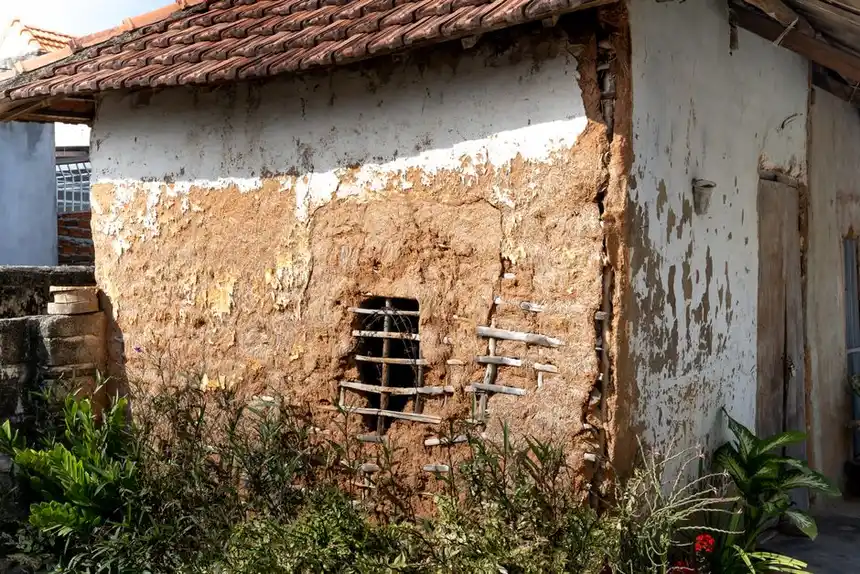
The most common signs of hidden water damage behind walls in Fairmount homes are a musty smell that will not go away, drywall that feels soft or spongy when you press it, paint that bubbles or peels for no clear reason, and a water bill that jumped without you changing anything. In a house built before 1950, those four clues almost always mean moisture has been sitting inside a wall cavity for weeks. This guide walks through how to confirm it, what it costs to fix in 2026, and when a hidden leak has already turned into a mold problem.
Why Older Fairmount Homes Hide Water Damage So Well
Fairmount homes hide water damage better than almost any newer house in Dallas because of how they were built. The neighborhood was platted in 1905 and most of its houses went up between 1910 and 1940, which means they have plaster-and-lath walls, original galvanized steel supply lines, and cast iron drain pipes that have been slowly corroding for eight decades.
Plaster does not stain the way modern drywall does. It absorbs moisture quietly, then releases it slowly, so a slow drip behind a kitchen wall can run for months before you see anything on the surface. Galvanized pipes fail from the inside out, which means the first sign is often a pinhole leak inside a wall cavity rather than a visible burst. And because these homes sit on pier-and-beam foundations with crawl spaces, water that enters a wall can drain downward and disappear into the soil before it ever reaches your floor.
That combination - plaster, aging pipes, and a crawl space - is why we treat every Fairmount call differently than a slab-on-grade home in North Dallas. The leak is usually older than the homeowner thinks. If you want to know what a proper response looks like in this neighborhood, our team handles Water Damage Restoration in Fairmount with the slower, more careful approach these houses require.
What Are the First Signs of Hidden Water Damage Behind Walls in Fairmount TX?
The first signs of hidden water damage behind walls in Fairmount TX are almost always sensory - smell, touch, and sound - long before anything looks wrong. Here is what to watch for, roughly in the order they show up.
- A musty, earthy smell in one room. If the odor is strongest near an interior wall or closet, the source is usually inside that wall, not in the room itself.
- Drywall or plaster that feels cool or soft. Press the wall with your palm. A healthy wall is firm and room temperature. A wet one feels cooler and gives slightly under pressure.
- Paint that bubbles, blisters, or peels in a patch. This is moisture pushing through from behind. It rarely appears in a straight line.
- A water bill that rose 15 to 30 percent with no change in habits. A pinhole leak the size of a pencil tip can waste 10,000 gallons a month.
- Warped baseboards or a floor that feels spongy near a wall. Water pools at the bottom of a wall cavity first.
- A faint dripping or hissing sound when the house is quiet. Stand still in the room at night with the HVAC off and listen.
One of these alone might be nothing. Two or more together in the same room is a strong signal that you have a water leak behind a wall in Fairmount, and it has probably been running for a while.
How Do You Detect Water Damage Behind Walls in Fairmount TX?
You can detect water damage behind walls in Fairmount TX with three tools that cost under $80 total, plus one test that costs nothing. Start with the free one.
- The meter test. Turn off every fixture in the house and read your water meter. Wait two hours without using any water. Read it again. If the dial moved, you have an active leak somewhere in the system.
- A moisture meter. These run $30 to $60 at any hardware store. Press the pins against the wall at baseboard height and at chest height. Anything above 16 percent moisture content on plaster is a problem.
- A thermal camera attachment. Phone-mounted infrared cameras start around $200 and show temperature differences. A wet wall reads cooler than the dry wall next to it.
- The smell test at the outlet. Remove a wall outlet cover on the suspect wall. If the inside of the box smells musty or the paper backing is dark, moisture is present.
What these tools cannot tell you is where the leak is coming from - only that moisture is there. In a 1920s Fairmount house, the source might be a supply line, a drain line, a roof flashing detail, or a window frame that has been leaking since the last big storm. That is where a professional water damage repair Dallas inspection earns its cost, because we trace the source before we open anything up.
Hidden Mold From Water Damage in Fairmount: The 48-Hour Window
Hidden mold from water damage in Fairmount starts growing within 24 to 48 hours of a leak beginning, and plaster walls give it a perfect surface. Mold needs three things: moisture, organic material, and darkness. The paper backing on drywall and the wood lath behind plaster supply the food. The wall cavity supplies the dark.
By the time you smell that musty odor, colonies are usually 10 to 21 days old and have spread several feet beyond the visible leak point. In older Fairmount homes, mold often travels along the lath horizontally, so the visible damage in one room can be fed by a leak two rooms over.
If you suspect mold is already present, do not run a box fan in the room. That spreads spores through the house. Call for mold remediation services Dallas TX and let the crew set up containment before anything gets disturbed. If you are not sure whether mold is present, air quality testing will confirm it in about an hour.
Common Mistakes Fairmount Homeowners Make With Hidden Leaks
The mistakes we see most often in Fairmount all come from treating an old house like a new one. Here is what to avoid.
- Painting over a blister. The paint will bubble again within a few weeks, and you have now hidden the evidence from the next person who inspects the wall.
- Running the HVAC to dry it out. Air conditioning removes humidity from the air, not from inside a wall cavity. The wall stays wet.
- Cutting into the wall to look. Plaster is expensive to match, and opening the wrong spot means you have damaged a wall for nothing. Use a moisture meter first.
- Assuming the leak is where the stain is. Water follows the path of least resistance. In a pier-and-beam house, that path is often down and sideways.
- Waiting until spring. North Texas gets most of its rain between March and June, and a wall that is already compromised will not survive another wet season intact.
One more: do not assume your homeowner's policy will cover it. Most Texas policies cover sudden and accidental discharge, like a pipe that bursts, but exclude long-term seepage. If the leak has been running for months, the adjuster will call it maintenance. Document everything from the day you first noticed the smell.
When to Call a Professional for Hidden Water Damage in Fairmount
Call a professional the moment you have two or more of the signs above in the same room, or the moment your water meter moves with everything shut off. Those are not judgment calls. They are confirmation that moisture is active inside a wall.
We handle hidden water damage in Fairmount homes by finding the source first, then drying the cavity, then repairing. Our technicians use thermal imaging and moisture mapping to trace the leak without tearing out more plaster than necessary. We also work directly with your insurance adjuster on covered losses, which saves most homeowners a week of back-and-forth.
If you are in a neighboring older neighborhood with the same housing stock, we run the same process for Ryan Place Water Damage Restoration calls, where the 1920s bungalows have the same galvanized pipe issues. If your leak is coming from a burst pipe rather than a slow drip, that is a different response - see our burst pipe repair Dallas TX page for what to shut off first.
Frequently Asked Questions
What are signs of hidden water damage behind walls in Fairmount TX?
The top four are a musty smell that lingers in one room, plaster or drywall that feels soft or cool to the touch, paint that bubbles or peels in a patch, and a water bill that rose 15 to 30 percent without explanation. Any two together in the same room mean moisture is active behind the wall.
How do I check for water damage behind walls in Fairmount?
Shut off all water in the house, read your meter, wait two hours, and read it again. If the dial moved, you have an active leak. Then use a $30 to $60 moisture meter at baseboard and chest height. Readings above 16 percent on plaster indicate a problem.
Does old home insurance cover hidden water damage in Fairmount Texas?
Most Texas policies cover sudden and accidental discharge, like a pipe that bursts, but exclude long-term seepage and maintenance-related leaks. If the leak has been running for months, expect the adjuster to deny the claim. Document the date you first noticed the signs.
Who do I call for hidden water damage in Fairmount?
Call a licensed water damage restoration company that handles leak detection, drying, and mold remediation in one visit. Dallas Home Mold Water Fire Damage serves Fairmount and the surrounding older neighborhoods. We trace the source first, then dry the cavity, then repair.
How much does hidden water damage repair cost in Fairmount in 2026?
Typical 2026 pricing in this area runs $1,200 to $3,500 for a single-wall leak with drying and minor plaster repair. If mold remediation is needed, add $1,500 to $4,000 depending on square footage. Burst pipe repairs with full cavity drying can reach $6,000.
Get Help With Water Damage Restoration in Dallas
If you have smelled something musty in a Fairmount room for more than a week, or your water meter is moving with everything shut off, the leak is not going to fix itself. We find it, dry it, and repair the wall so the problem does not come back next spring.
Call Dallas Home Mold Water Fire Damage at (469) 895-3421 for a same-day inspection.