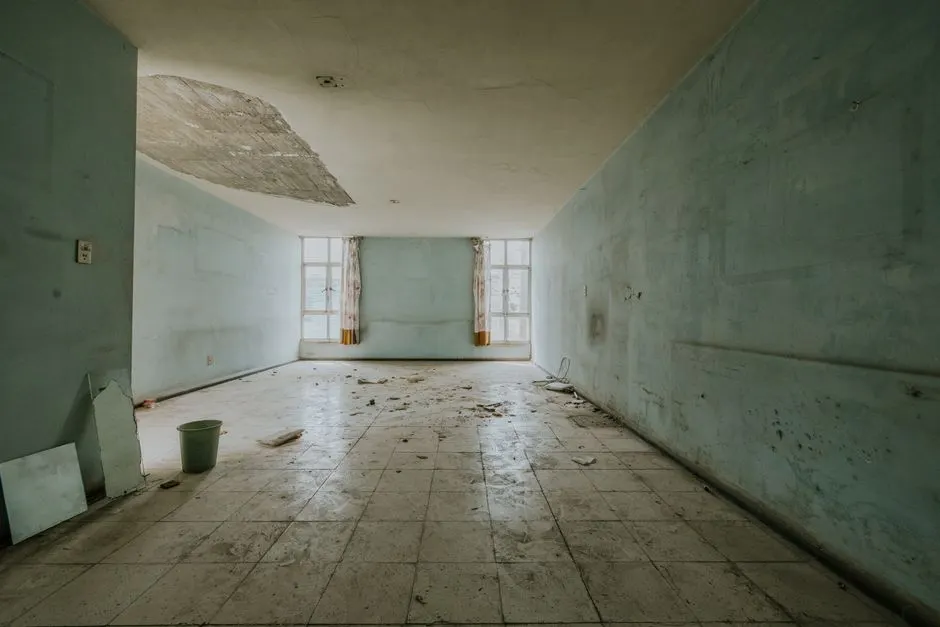
To remove mold from drywall after a slow roof leak, you stop the leak, dry the cavity, then either clean the surface with a biocide and encapsulant or cut out and replace any drywall that is soft, crumbly, or moldy past the surface paper. Surface mold on painted drywall can be cleaned; mold that has soaked into the paper facing or gypsum core has to be removed and the drywall replaced. This guide walks you through the whole job the way we do it on Dallas homes, from finding hidden moisture to knowing when to stop and call a pro.
A slow roof leak is the worst kind for drywall because it feeds mold quietly for weeks. By the time you smell it, the colony is usually bigger than the stain.
Why a slow roof leak grows mold so fast in Dallas
Dallas roof leaks grow mold faster than most homeowners expect because our climate gives mold three things it needs almost year-round: warmth, humidity, and food. Mold needs 24 to 48 hours of moisture to start colonizing and roughly 70% relative humidity to keep growing. Dallas sits above 65% indoor humidity for much of the year, and our summer attic temperatures push 130°F, which speeds up microbial growth instead of slowing it.
A slow leak - a lifted shingle, a cracked pipe boot, a failed valley flashing - drips maybe a cup of water a day. That is enough to keep the back of your drywall damp for months. The paper facing on standard 1/2-inch drywall is basically cellulose, and cellulose is mold food. Once the paper is wet, mold does not need standing water to keep going; it just needs the paper to stay above 60% moisture content.
We see this most in older Dallas neighborhoods with original 1950s and 1960s roof decks, and in newer builds where a single missed nail in the underlayment lets water track along a rafter. If you have already had us out for Roof Leak Water Damage Dallas TX, you know the drill: the stain on the ceiling is the last symptom, not the first.
How do I know if mold is behind the drywall?
You know mold is behind the drywall when you find any of these five signs, and you should treat the wall as contaminated until proven otherwise.
- A musty, earthy smell that gets stronger when the AC runs or when it rains.
- A brown or yellow water stain on the ceiling or upper wall, especially one that grows after storms.
- Soft or spongy drywall when you press it with a screwdriver - that means the gypsum core is wet.
- Peeling paint or bubbling tape at the seams, which means moisture is pushing from behind.
- Visible dark speckling in the attic sheathing or on the back of the drywall if you can see it.
If you only see a stain and no smell, you may have caught it early. If you smell it, assume mold is already growing on the back of the paper and plan to open the wall. A moisture meter reading above 16% on drywall means active moisture; above 20% means the drywall is compromised and likely needs to come out.
For a definitive answer, professional Mold Testing & Inspection Dallas TX uses air sampling and moisture mapping to tell you what species you are dealing with and how far it has spread. That report is also what your insurance adjuster will want to see.
Step-by-step: how to remove mold from drywall after a slow roof leak
Here is the sequence we follow on a typical Dallas drywall mold job, from the first cut to the final clearance.
1. Stop the water first
Mold removal is pointless if the roof still leaks. Fix the flashing, shingle, or pipe boot before you touch the drywall. If the roof is not repairable today, tarp it. Every hour of new water resets the clock on your cleanup.
2. Set up containment and PPE
Seal the work area with 6-mil poly and zip walls. Wear an N95 or P100 respirator, nitrile gloves, and eye protection. Mold spores are 1 to 20 microns - small enough to ride air currents through the whole house if you skip containment.
3. Remove wet insulation and any saturated material
Pull back attic insulation so it can dry. Cut out any drywall that is soft, crumbly, or moldy past the surface. Bag it in 6-mil poly and haul it out through a window or door, not through the middle of the house.
4. HEPA vacuum the cavity
Vacuum the exposed framing, sheathing, and back of the remaining drywall with a HEPA vacuum. This removes loose spores before you apply any liquid, so you are not smearing them around.
5. Apply a biocide, then an encapsulant
Spray the framing and any remaining drywall with an EPA-registered fungicide. Let it dwell per the label - usually 10 minutes. Once dry, apply a mold-resistant encapsulant to seal the wood and any drywall you are keeping. Encapsulant is what keeps the mold from coming back the next time the humidity spikes.
6. Dry the cavity
Run commercial dehumidifiers and air movers for 3 to 5 days. Target 12% to 15% moisture content on framing before you close the wall. We use thermal imaging to confirm the cavity is dry behind the new drywall, because closing a damp wall is how you get round two.
7. Replace drywall and finish
Hang new 1/2-inch or 5/8-inch drywall, tape, float, and paint. Use mold-resistant drywall in bathrooms and any area that has flooded before. Prime with a mold-resistant primer before the finish coat.
If the leak also soaked carpet, baseboards, or insulation, you are looking at a bigger job than drywall alone. That is where our water damage cleanup Dallas TX crew handles the extraction, drying, and rebuild in one pass.
When drywall has to be cut out instead of cleaned
Drywall has to be cut out when the mold has moved past the surface paper into the gypsum core or when the drywall has lost structural strength. Cleaning a wall that should be replaced just hides the problem for a season.
Cut it out if:
- The drywall is soft, crumbly, or sagging.
- Mold covers more than 10 square feet on a single wall or ceiling.
- The back of the drywall is visibly moldy when you pull it away from the framing.
- The drywall has been wet for more than 72 hours.
- The drywall is in a basement, bathroom, or other high-humidity room.
For anything over 10 square feet, the EPA and most Dallas remediation standards treat it as a containment job, not a DIY wipe-down. That is the threshold where you want mold removal Dallas TX rather than a bucket of bleach and a Saturday.
Common mistakes that make drywall mold worse
The biggest mistake we see is painting over the stain. Paint traps moisture and hides the mold while it keeps eating the paper. It will be back, usually within one Dallas summer.
Other mistakes:
- Bleach on porous drywall. Bleach kills surface mold but does not penetrate the paper, and it leaves water behind. Use a labeled fungicide instead.
- Skipping containment. No plastic sheeting means spores spread to the rest of the house and into your HVAC.
- Running the AC to "dry it out." Your AC pulls moisture out of the air, not out of a wet wall cavity. You need air movers and a dehumidifier.
- Closing the wall too soon. If the framing is still above 16% moisture content, you are building a mold terrarium.
- Ignoring the attic. If the roof sheathing is moldy, cleaning the ceiling drywall does not fix the source.
If your leak came in during a storm and you also have roof damage, our Storm Damage Restoration Dallas TX team can handle the roof tarp, water extraction, and drywall rebuild as one job.
When to call a professional
Call a professional when the mold covers more than 10 square feet, when you smell it but cannot see it, when the drywall is soft, or when the leak has been active for more than a few days. Those four conditions mean the mold is likely inside the wall cavity, not just on the surface.
Dallas Home Mold Water Fire Damage handles drywall mold removal, moisture mapping, and reconstruction across the metro. We find the source, contain the area, remove what has to go, and dry the cavity before we close it back up. If you want a straight answer on whether your wall can be cleaned or has to be replaced, that is a 30-minute inspection, not a guess.
Frequently Asked Questions
How do I remove mold from drywall after a roof leak in Dallas TX?
Stop the leak, contain the area, and HEPA vacuum the surface. If the mold is only on the paint, clean it with an EPA-registered fungicide and encapsulate. If the drywall is soft or moldy past the paper, cut it out and replace it. Most Dallas jobs take 3 to 5 days including drying.
Is mold from a slow roof leak dangerous in Dallas Texas?
It can be. Prolonged exposure to mold spores can trigger allergies, asthma attacks, and sinus issues, especially in children and older adults. Dallas humidity keeps spores active most of the year, so a slow leak that would dry out in a drier climate can stay moldy here for months.
Does insurance cover drywall mold removal in Dallas?
Usually yes, if the mold came from a covered peril like a sudden roof leak or storm damage. Most Dallas policies cap mold remediation at $10,000 unless you bought extra coverage. Slow leaks that were ignored for months are sometimes disputed as maintenance, so document everything.
Who do I call for drywall mold removal in Dallas TX?
Call a licensed mold remediation company that also handles water damage, so the leak, the drying, and the drywall rebuild are one job. Dallas Home Mold Water Fire Damage does all three. Reach us at (469) 895-3421 for an inspection.
How much does drywall mold removal cost in Dallas?
Typical 2026 pricing in Dallas runs $1,200 to $3,500 for a single-room drywall mold job, including containment, removal, drying, and rebuild. Whole-ceiling or multi-room jobs with attic mold can run $4,000 to $8,000. Insurance often covers most of it.
Get help with Water Damage Restoration in Dallas
If your roof leak has been feeding mold behind the drywall, we can stop it, clean it, and rebuild the wall so it does not come back. Call Dallas Home Mold Water Fire Damage at (469) 895-3421 for a same-week inspection.